
°C
Current temperature
5:30 AM, Jan 01, 1970Hourly
7 Days
15 Days

Weather buddy
Over the next 15 days, you can expect a mostly cloudy weather with temperatures ranging from 21.0°C to a high of 36.0°C around day 8 and staying consistent thereafter. There is no heat wave expected during this period, as neither a prolonged period of at least 40°C daily maximum nor one lasting for more than five consecutive days with temperatures above 45°C are anticipated. Starting from day 29, the temperature will slightly decrease to an average low of around 26.9°C before dropping further to a chilly 22.1°C on the final day. Humidity levels will stay relatively high throughout this forecast period, and there's no significant rainfall expected until about mid-May when you could see up to 12mm of rain. The winds are moderately brisk at around 25 km/h but picking up a bit by the end of May with an average speed near 24 km/h.






Rainfall probability

Wind speed
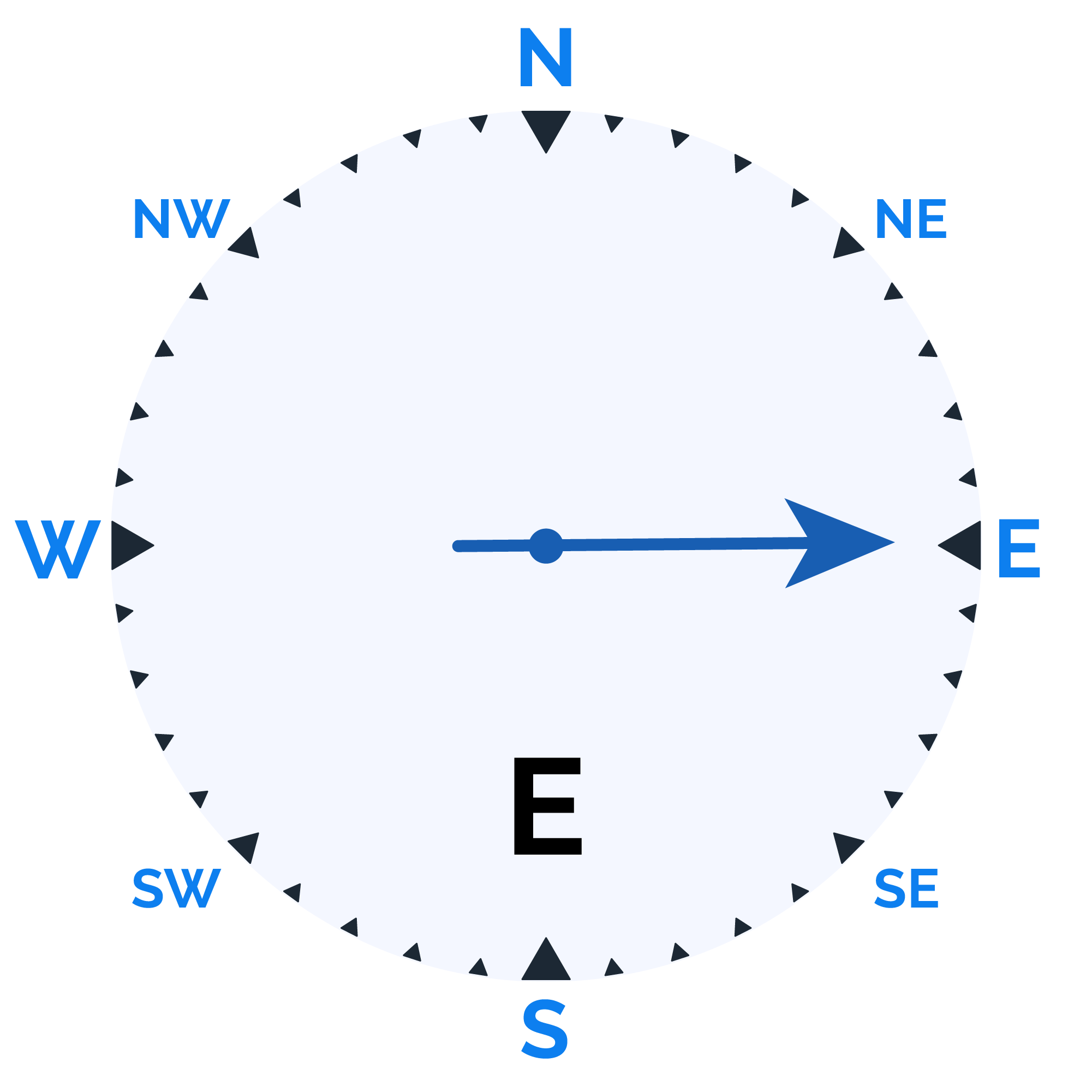
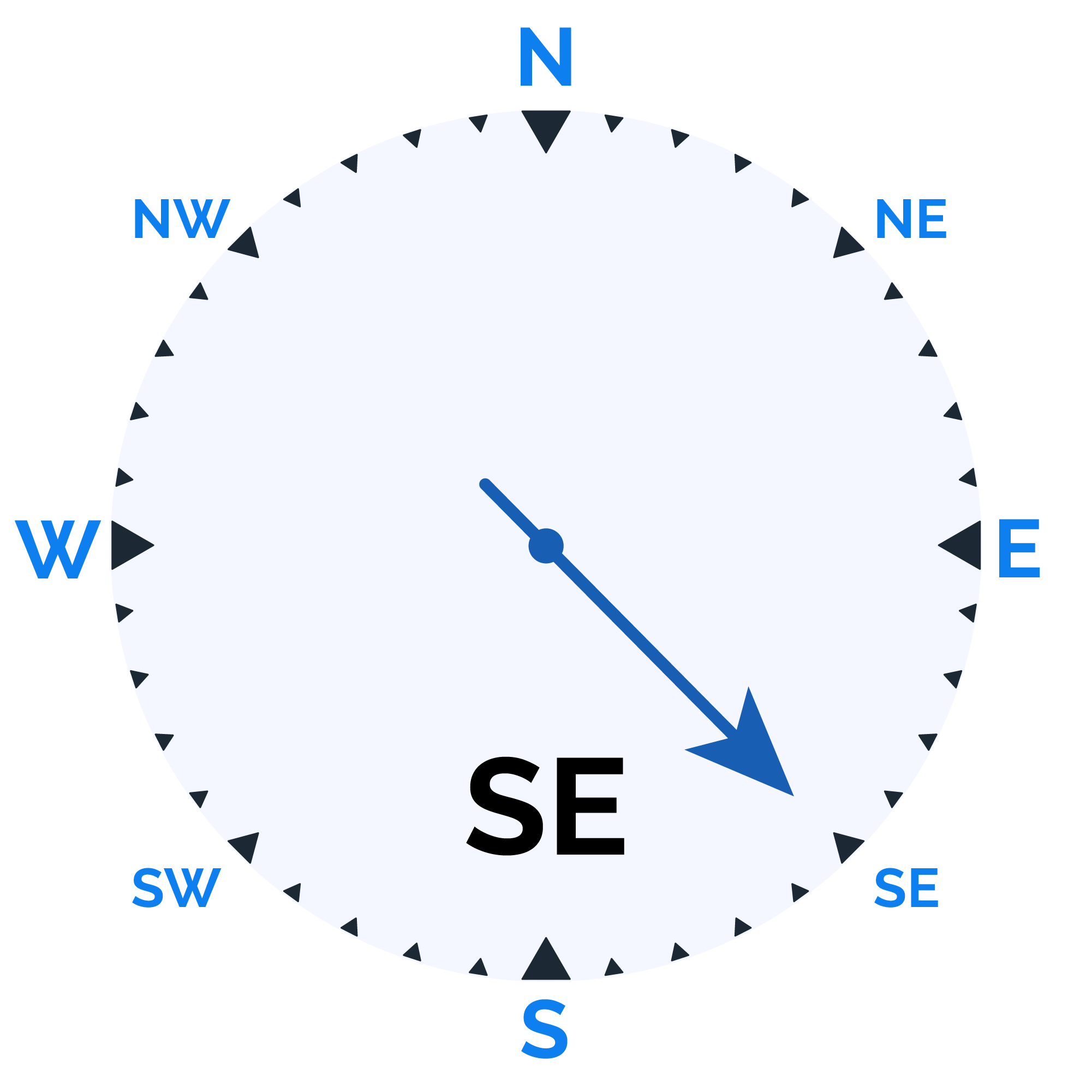

Humidity

Sunrise/Sunset


Moonrise/Moonset




Weather buddy
Today's weather will present a mix of cloudy conditions throughout the day with varying temperatures and precipitation. Morning hours will see mild to warm temperatures ranging from 22°C to 32°C, accompanied by moderate humidity levels between 55% and 92%. The morning sky will remain clear for most of the period, but winds are expected at around 33.2 km/h. As evening approaches, temperatures will continue to rise slightly, with a range from 28°C up to 34°C. Humidity levels will drop to between 50% and 84%, yet the cloud cover increases slightly to about 5%. Rainfall is anticipated at approximately 6.0 mm, which may affect outdoor activities, with winds slowing down to around 29.5 km/h. True or False: The Earth's magnetic field is a perfect dipole and does not experience changes in intensity over time. - solution: False: While the Earth's magnetic field resembles that of a giant bar magnet, with magnetic north and south near the geographic poles, it is not a perfect dipole. The strength and orientation of the magnetic field can change both locally at various spots on the Earth's surface as well as globally over time in a process known as geomagnetic secular variation. Additionally, this statement about no changes over time is incorrect; there are significant variations. For example, every few hundred thousand years or so, the magnetic poles can reverse their orientation—a phenomenon called geomagnetic reversal. This has happened many times throughout Earth's history but does not occur at regular intervals. Furthermore, on shorter geological time scales, there are events known as geomagnetic excursions where the strength of the magnetic field decreases significantly and can even become almost non-existent before returning to its normal state. These changes in intensity over time contribute to a dynamic Earth's magnetosphere system influenced by both solar winds and the flow of molten iron within the Earth’s outer core, which generates the magnetic field.
 Temp (Min/Max)
CLOUDY Humidity
81%
 Dew Point
24°C
Highly Humid
 Wind speed
28 km/h
Wind Speed


