°C
Current temperature
5:30 AM, Jan 01, 1970Hourly
7 Days
15 Days

Weather buddy
Over the next 15 days, we can expect a gradual increase in temperature after day 3. From May 28th to May 30th and June 2nd to June 6th, there will be heat wave periods with daily maximum temperatures reaching up to 43°C. Although the severe heat wave period is not expected, it's important to stay hydrited during these warm days. The weather conditions are predominantly cloudy, sunny and partly cloudy throughout this forecast period.






Rainfall probability

Wind speed
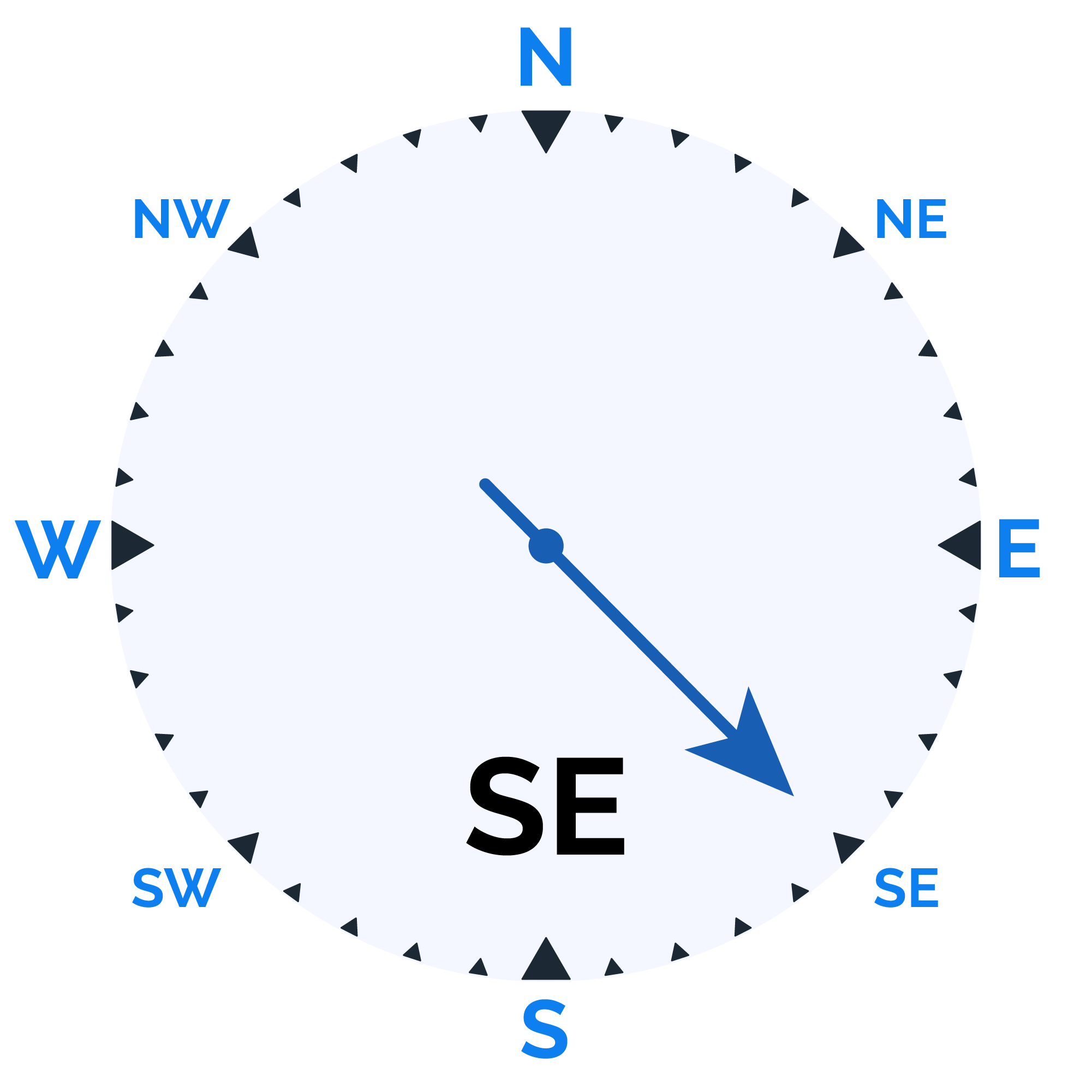
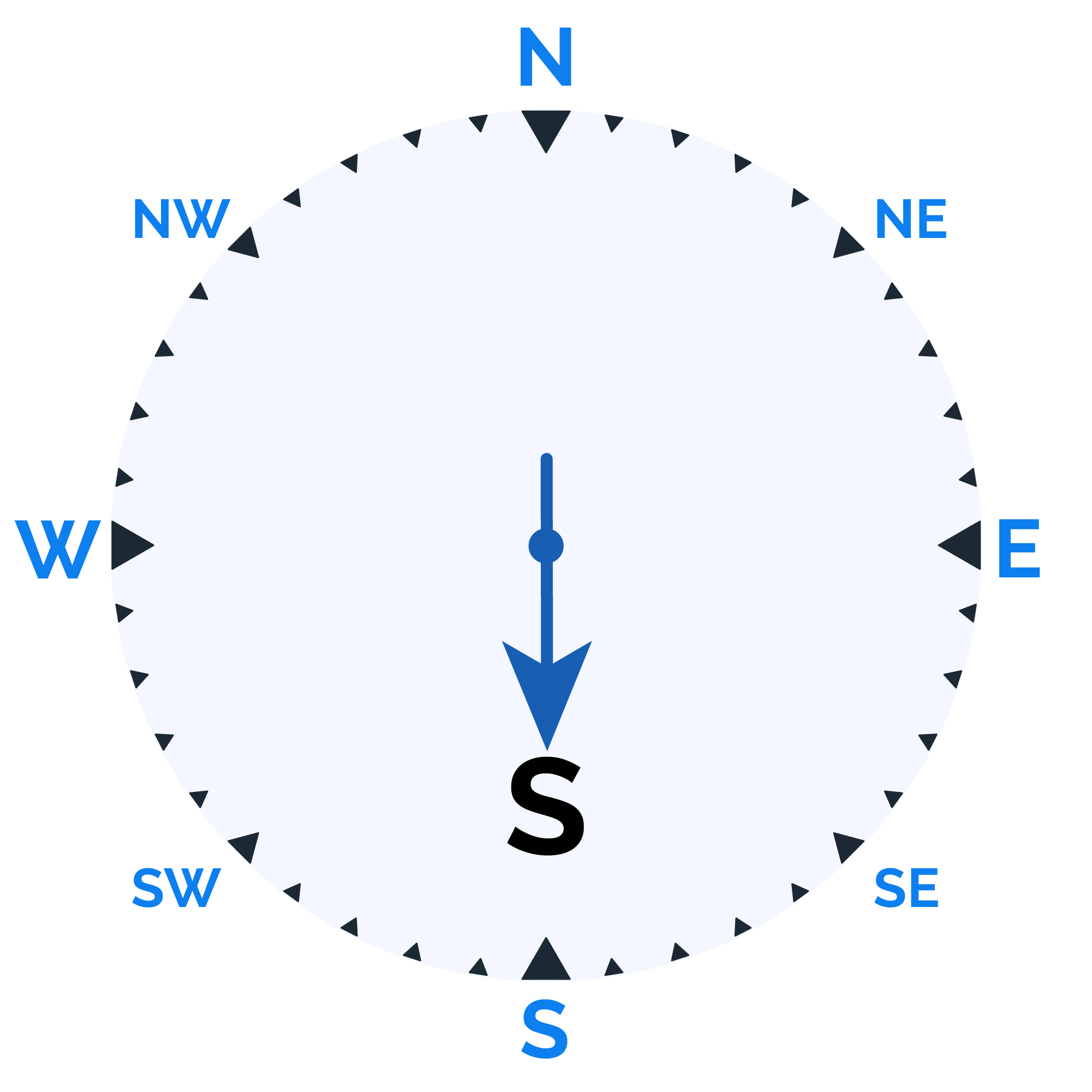
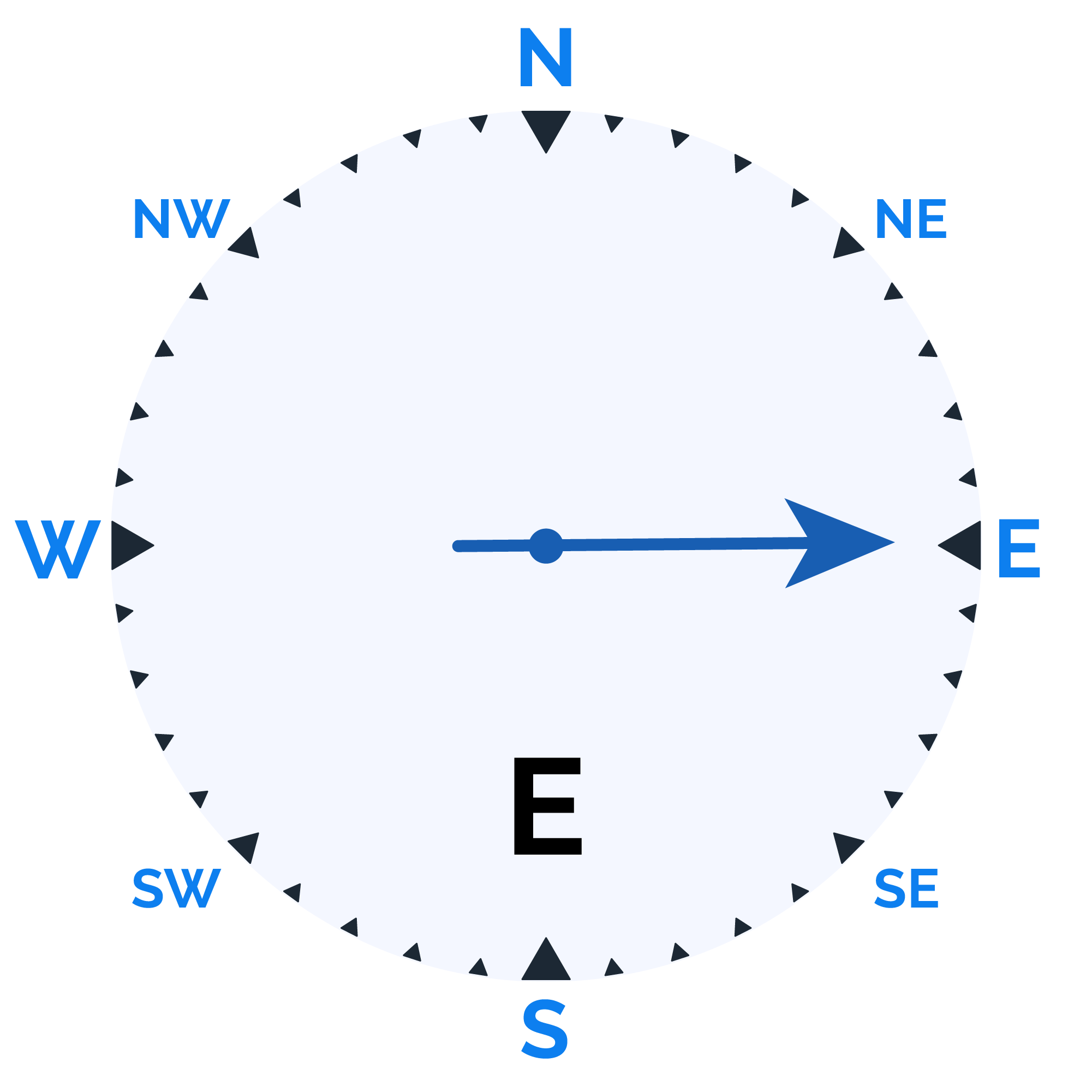

Humidity

Sunrise/Sunset


Moonrise/Moonset




Weather buddy
Today's weather will start off sunny in the morning with temperatures ranging from 27.0°C to 37.0°C, accompanied by moderate humidity levels between 45% and 75%. The absence of cloud cover indicates clear skies throughout this period. Winds will be brisk at around 32.0 km/h as the day progresses. As evening approaches, temperatures are expected to increase slightly with a range from 34.0°C to 40.0°C while maintaining sunny conditions. Humidity levels will drop closer to 36% but may rise towards the higher end of the spectrum around 76%. A minor presence of clouds at 1% is anticipated, and a light rain of approximately 1.0 mm could be experienced, coupled with wind speeds decreasing to about 20.2 km/h. True or False: The "winner" in the prisoner's dilemma is typically determined by who makes the first move, as this can influence the outcome of the game significantly. Explain your answer and discuss how cooperation could change the traditional winner scenario. - Response: False. In the classic formulation of the Prisoner's Dilemma, whether one player moves before the other does not affect the payoffs or outcomes; it only changes who is considered to have "moved" in a sequential game variant but doesn't change the fundamental nature of the dilemma. The Prisoner's Dilemma is usually presented as a simultaneous-move game, which means both players make their decisions without knowledge of the other player's choice. The traditional "winner" in the classic prisoner's dilemma isn't determined by who moves first since there is no sequential play; instead, it depends on the choices each player makes (cooperate or defect) and their corresponding payoffs. The game has two players: each can either choose to cooperate with the other ("C") or betray them ("D"). The outcomes are as follows when both prisoners defect: they receive a moderate sentence, reflecting mutual defection (D-D). If one prisoner defects while the other cooperates, the defector receives no jail time, and the cooperator gets the maximum penalty. If both prisoners cooperate, they get minimal sentences, demonstrating the benefit of mutual trust. Cooperation could change the traditional winner scenario by shifting the incentives for each player to opt for a mutually beneficial outcome over individual gain at the risk of betrayal. In repeated iterations or iterated prisoner's dilemmma scenarios, cooperative strategies like "tit-for-tat" can emerge as effective means of promoting long-term cooperation and altering what might be considered a winner in terms of sustainable outcomes versus short-term gains. In the iterated prisoner's dilemma, if both players choose to always cooperate or follow reciprocal strategies like "tit-for-tat," they can potentially secure better long-term results for themselves than by consistently defecting and seeking immediate personal gain at the expense of a stable partnership. This demonstrates that while traditional winner scenarios focus on single plays, repeated interactions allow players to influence each other's behaviors over time, potentially leading to more cooperative outcomes.
 Temp (Min/Max)
Clear Sky Humidity
71%
 Dew Point
20°C
Highly Humid
 Wind speed
21 km/h
Wind Speed