Why North India, Including Delhi, Still Waiting for Rain and Real Winter Chill?

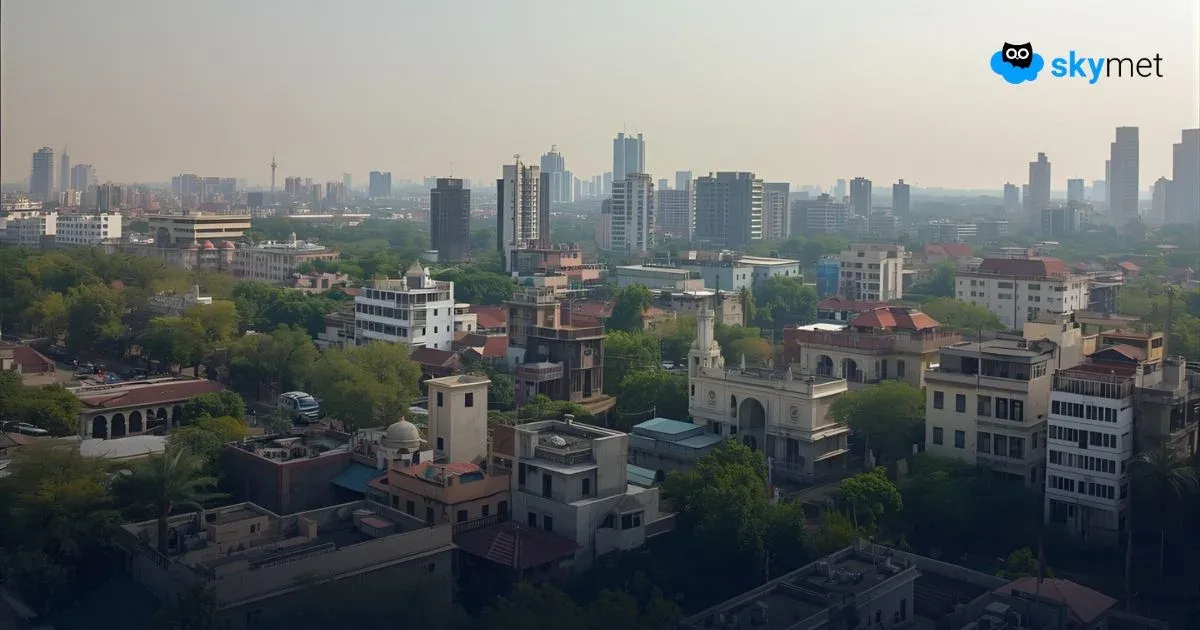
Image: AI-Skymet
Key Takeaways
- Winter rain has remained absent across Northwest India and Delhi due to weak Western Disturbances.
- Lack of cyclonic circulation has delayed the classic cold and damp winter pattern.
- The upcoming Western Disturbance is expected to have limited impact on the plains.
- Fog and intense cold spells are unlikely in the immediate week ahead.
We’re already in the second week of December, yet Northwest India and Delhi NCR have seen almost no winter rain so far. The usual pattern of cold, wet spells that mark the heart of the North Indian winter has been delayed—and the reason is straightforward: the region hasn’t been hit by any strong Western Disturbance this season.
Why the Wait Continues?
Western Disturbances are mid-latitude storm systems that travel eastward from the Mediterranean, delivering crucial winter rain and Himalayan snowfall to northwest India. They are a key source of winter precipitation and temperature shifts across Punjab, Haryana, Delhi and nearby areas.
Earlier this season, there was a burst of moderate to heavy snowfall over the higher Himalayan reaches in early October, which briefly brought a winter-like chill across parts of Northwest and Central India. Since then, however, incoming systems have been weak or inactive.
Without a vigorous Western Disturbance to spin up cyclonic circulation over the northern plains, widespread winter rainfall simply hasn’t materialised—exactly what normally gives Delhi and neighbouring states their classic cold, damp winter days.
Upcoming Western Disturbance: Limited Impact Expected
Forecasts point to a Western Disturbance approaching the Western Himalayas around December 13. Expectations from this system remain modest. It may bring light rain or snowfall over higher Himalayan zones, but the odds of meaningful rain over the northern plains—including Delhi NCR—are slim.
In practical terms, this means the plains are unlikely to experience a sharp rise in winter chill or prolonged cloud cover from this particular system.
Temperature Snapshot From Delhi
Delhi’s Safdarjung observatory recorded the season’s lowest minimum temperature of about 5.6°C on December 4 and 5. Local reports highlighted this marked cold night and linked it to the influence of an approaching Western Disturbance.
By December 11, the minimum temperature had risen to around 8.6°C—only about 1°C below normal for this time of year. Conditions remained cold, but not extreme. With another disturbance expected, any short-lived dip over the next 24 hours may again be followed by a rise, as cloud cover and winds prevent sharper nighttime cooling.
What This Means for the Coming Week
Winter chill remains muted:
Without strong, rain-bearing Western Disturbances, the deep and persistent cold typical of mid-December is unlikely to set in for at least another week.
Fog chances stay lower:
In the absence of winter rain, humidity levels remain insufficient for dense, long-lasting fog. Fog often traps nighttime cold and contributes to lower daytime temperatures. With limited fog expected, daytime cooling will also remain restricted.
Days stay relatively milder:
Clearer skies and lower moisture levels mean daytime temperatures will feel less harsh compared to fog-bound, wet winters, even if nights continue to feel chilly.
The Bottom Line
North India, including Delhi, remains in a waiting phase. A weak Western Disturbance is on the horizon, but the true winter signature—marked by significant rain, dense fog, and sustained temperature drops—appears to be still some distance away.