Celebrations Makar Sankranti, Uttarayanam, Bihu, Pongal: All Follow 'Lohri' Today

Key Takeaways
- Lohri usually falls on 13th January and is linked to the Sun’s position over the Tropic of Capricorn.
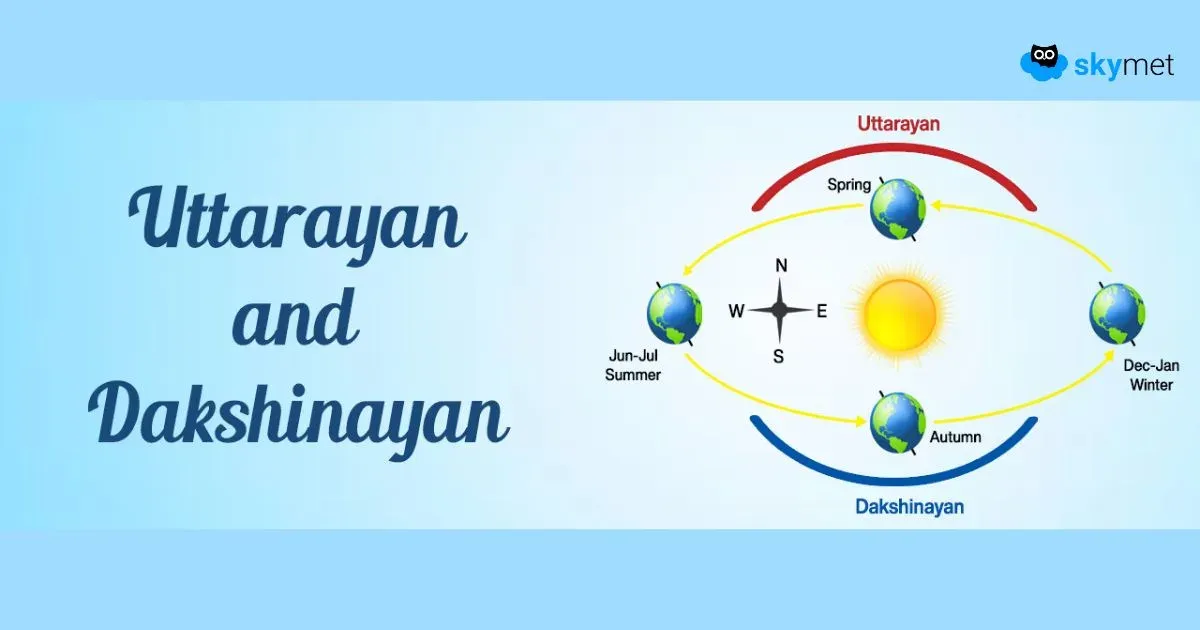
- Makar Sankranti marks the Sun’s entry into Capricorn and the start of its northward journey.
- Daylight begins to increase in the Northern Hemisphere after Uttarayan.
- Harvest festivals like Lohri, Pongal and Bihu reflect seasonal change and crop readiness.
Advertisement
The festival of Lohri, more popular in North India, invariably falls on 13th Jan (with some exceptions). On this day, the Sun reaches its southernmost position in the Southern Hemisphere over the Tropic of Capricorn. Its equivalent in the Northern Hemisphere is the Tropic of Cancer. The Tropic of Capricorn is a circle of latitude that contains the sub-solar point and is the southernmost latitude where the Sun can be seen directly overhead. The Tropic of Capricorn is one of the five major circles of latitude drawn on Earth’s maps. Its latitude is currently 23°26’09” (23.43591°) south of the Equator.
Advertisement
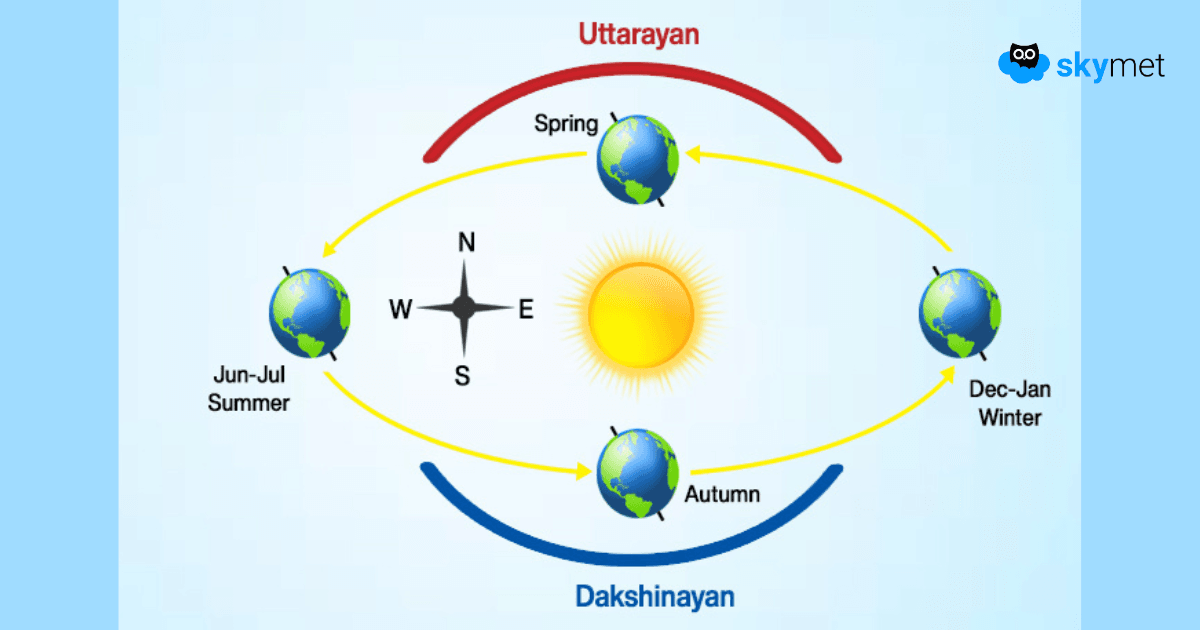
Makar Sankranti denotes the day when the Sun enters ‘Makar Rashi’ (Capricorn). The day marks the start of the northward journey of the Sun (Uttarayan). The daylight duration will start increasing in the Northern Hemisphere. Day and night durations tend to become equal on the Spring Equinox, 20 March 2026 (8:15 pm IST). The Sun will be right overhead the Equator on this day. The Inter Tropical Convergence Zone (ITCZ), the epicentre of weather activity, will also start moving northward towards the Equator.
With the northward journey of the Sun, extreme cold is believed to recede gradually in the Northern Hemisphere. However, due to changing climate patterns, it may not happen straight away and frigid conditions may linger in the northern parts of the country. The festival of Lohri signifies staple crops getting ready for harvest. Makar Sankranti, Uttarayan, Bihu and Pongal are festivals celebrated across the country under different names but with the same spirit.
There is some confusion about Makar Sankranti celebrations. The festival may spill over to 15th Jan as well. The gazetted holiday by the government has been changed to 15th Jan. As per the Panchang, the occasion largely falls on 14th Jan 2026 for rituals and follow-ups. Pongal is celebrated more enthusiastically by Tamils as a harvest festival. Bihu is the main festival of the Northeast, marking the changing season and the Assamese New Year.
Trending: El Nino May Return During Monsoon 2026