
,
12:05 PM, Nov 16, 2026
AQI
·
°C
Rain chance %

Humidity
%

Wind speed
km/h
Visibility
Km
Pressure
mb


12:05 PM, Nov 16, 2026
Rain chance %
Hourly
7 Days
15 Days

Weather buddy
Over the next 15 days, we can expect mostly sunny skies with temperatures steadily increasing. Starting from November 18th, the daily average temperature will rise noticeably and by November 23rd, it's expected to peak around 24-25°C. Rainfall is not anticipated in this forecast period. While cloud cover may increase slightly towards the end of the week, there are no heat waves or severe hot days expected with temperatures staying well below 40°C and certainly under 45°C throughout these 15 days. So it's a good time to enjoy outdoor activities in this mild weather!










Weather buddy
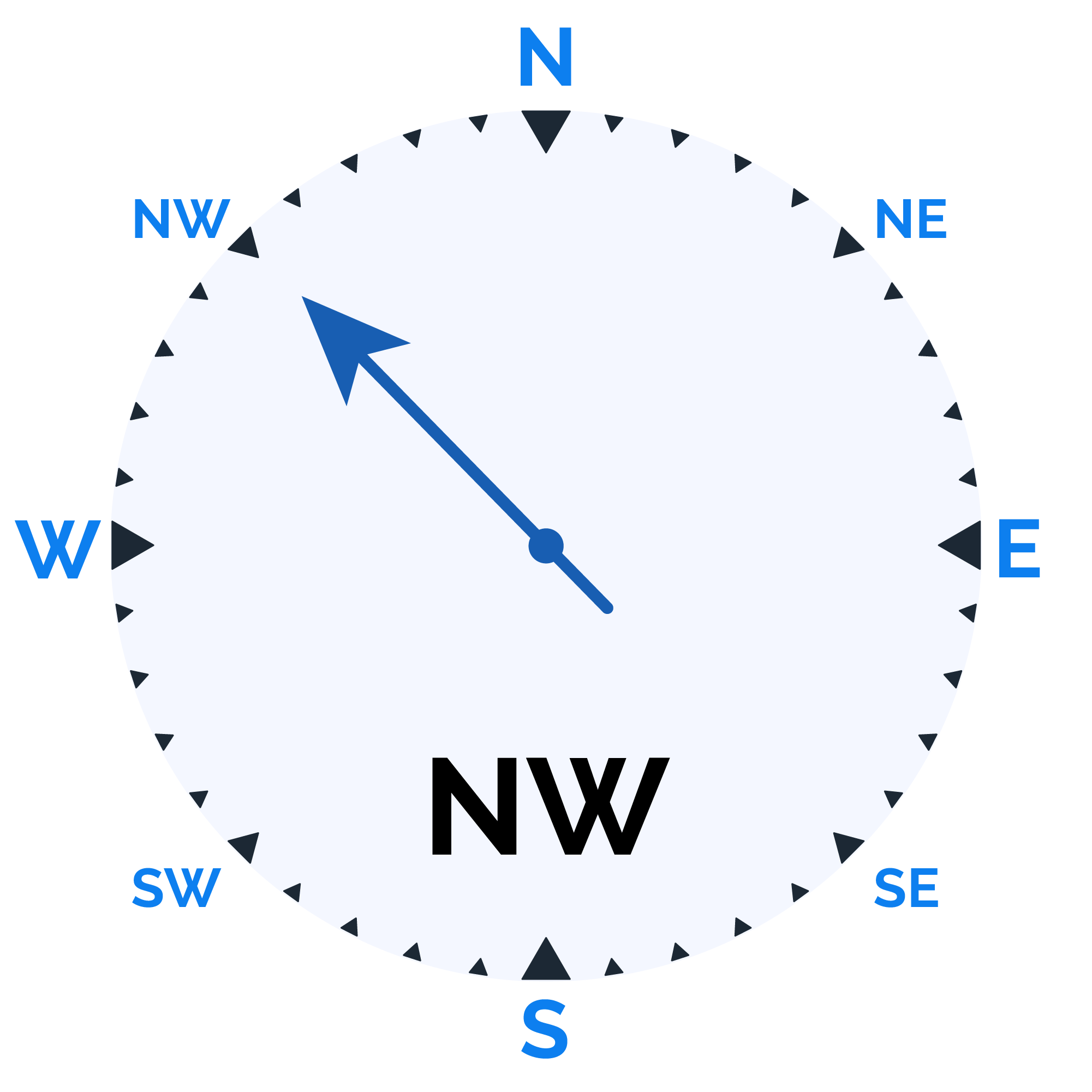
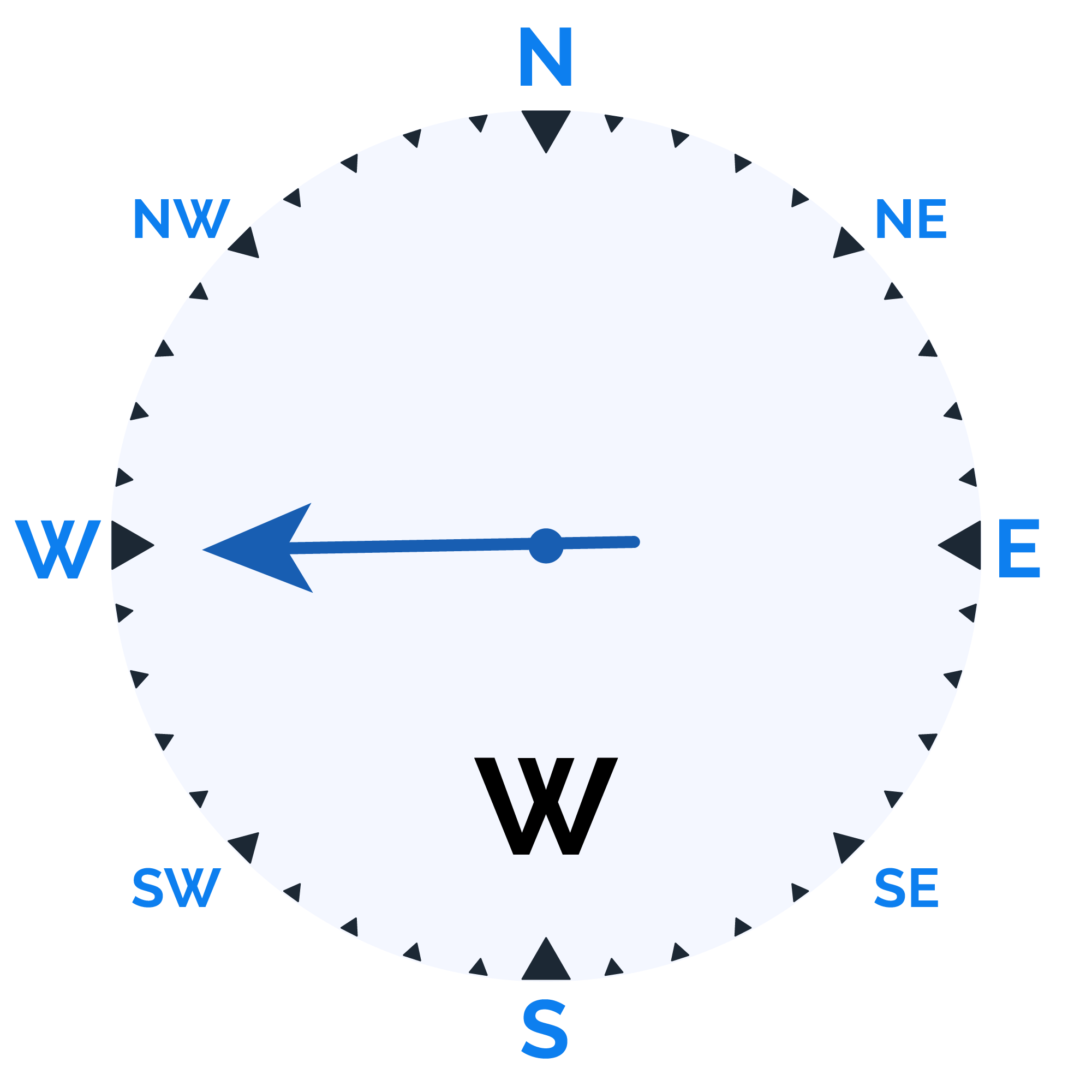
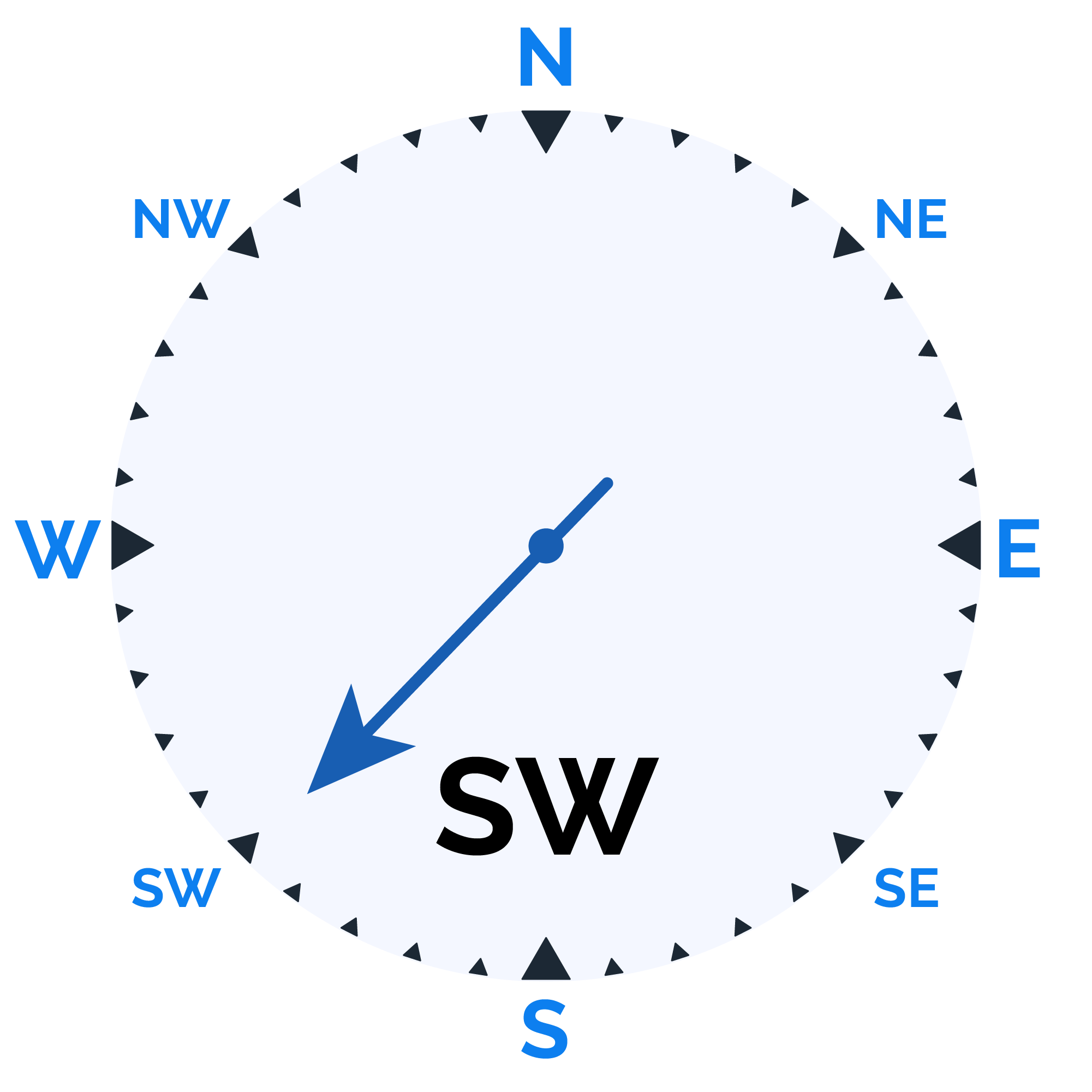
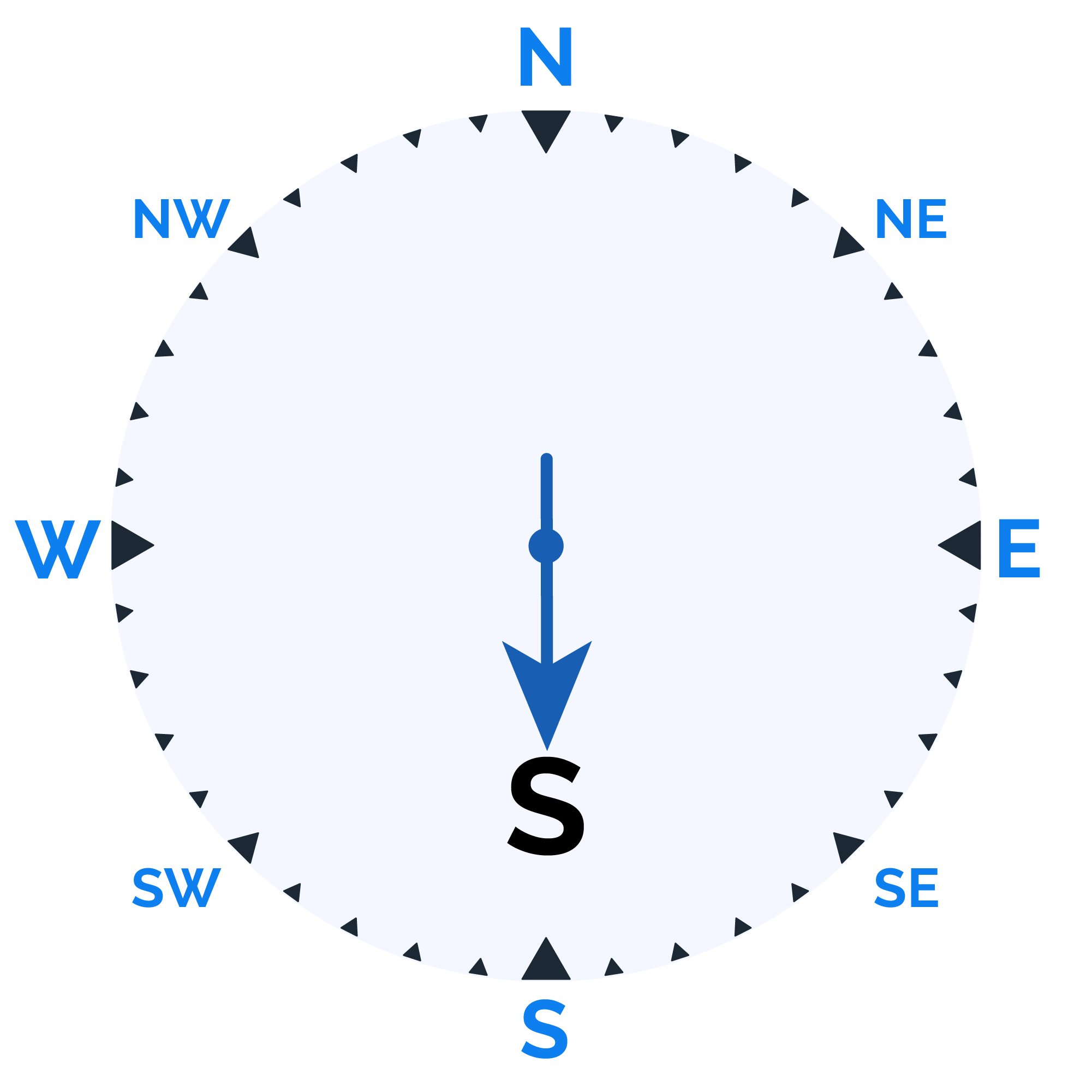
Today's weather will start with a sunny morning, as temperatures range from 15.0°C to 29.0°C accompanied by low humidity levels between 58% and 89%. The day will be clear with no cloud cover or precipitation expected, while wind speeds are moderate at around 9.5 km/h. Moving into the evening, conditions shift slightly to become partly cloudy with temperatures peaking from 24.0°C to 31.0°C and a humidity decrease to between 54% and 68%. Cloud cover will be minimal at just 1%, while wind speeds pick up to approximately 14.3 km/h without any rainfall anticipated. quadprog(H, f) function in MATLAB takes the following inputs: - H: a symmetric positive definite matrix representing the quadratic form of the objective function - f: a column vector representing the linear term of the objective function The quadprog function solves for x that minimizes the quadratic objective function subject to any given constraints. The output is a vector 'x' which represents the solution to this optimization problem. Here are some common usages and expected outputs: 1. **Without Constraints**: - Inputs: `H = [3 2; 2 6]; f = [-8; 4]`, - Output: A vector 'x' that minimizes the quadratic objective function, in this case, `x = [1.571; 0.857]` (approximately). 2. **With Linear Equality Constraints**: - Inputs: `H`, `f`, `[Aeq; Beq]`: where Aeq is the matrix for equality constraints and Beq is the column vector, - Example: If we have no equality constraints, then a zero-element matrix and vector are used. However, if there's an inequality constraint like `x1 + x2 >= 4`, you would represent it as `[1 0; 0 -1]` for Aeq and `-4` for Beq. - Output: The solution 'x', which satisfies the constraints along with minimizing the objective function. 3. **With Linear Inequality Constraints**: - Inputs: `H`, `f`, `[Aineq; Bineg]`: where Aineq represents inequality matrix and Bineg is negative vector for inequalities, - Example: For an inequality like `x1 + x2 <= 4`, you would have a positive-definite matrix representing the constraint. - Output: The same as above, providing solutions that satisfy all constraints while minimizing the objective function. In summary, quadprog is used to find optimal points under linear and quadratic constraints, where 'x' represents the solution vector that optimizes an objective function defined by H and f.
 Temp (Min/Max) Clear Sky Humidity
 Dew Point
 Wind speed
 UV Index

 AQI
 Sunrise

Now
12:05 pm Moonrise

Now
12:05 pm


