°C
Current temperature
5:30 AM, Jan 01, 1970Hourly
7 Days
15 Days

Weather buddy
Over the next 15 days, expect mostly cloudy conditions with an average temperature of around 17°C. The temperatures will gradually rise from about day 2 onwards, starting at 14°C and reaching up to a maximum of 22°C by day 15. There won't be any heat wave periods during this forecast, as neither daily highs are expected to reach or exceed 40°C for a continuous period nor will there be a severe heat wave with temperatures surpassing 45°C on consecutive days. The total rainfall is estimated at around 21mm with the heaviest downpour occurring mid-week on day 18 and day 23, while wind speeds remain relatively moderate averaging 14km/h throughout this period.


Rainfall probability

Wind speed

Humidity

Sunrise/Sunset


Moonrise/Moonset





Weather buddy
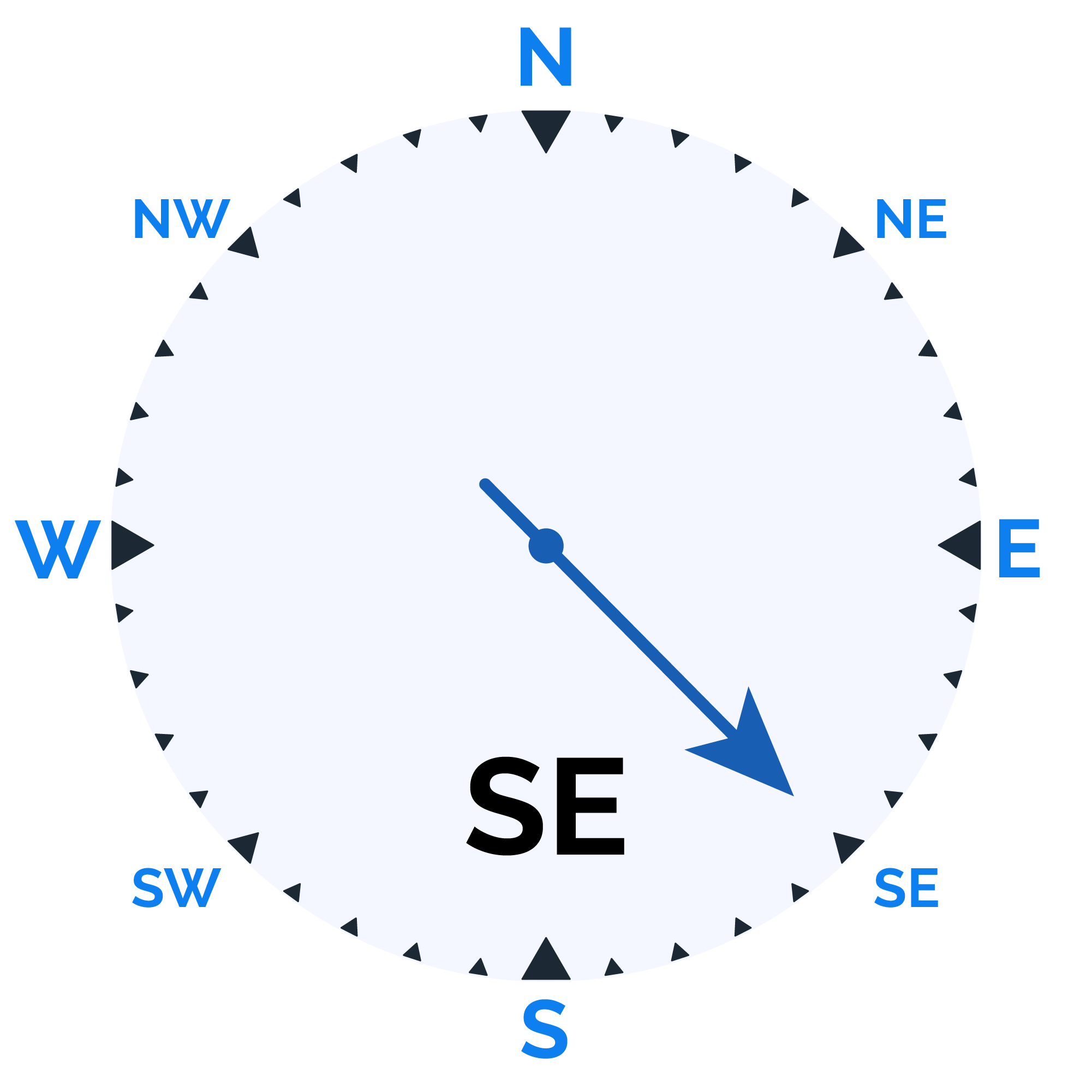
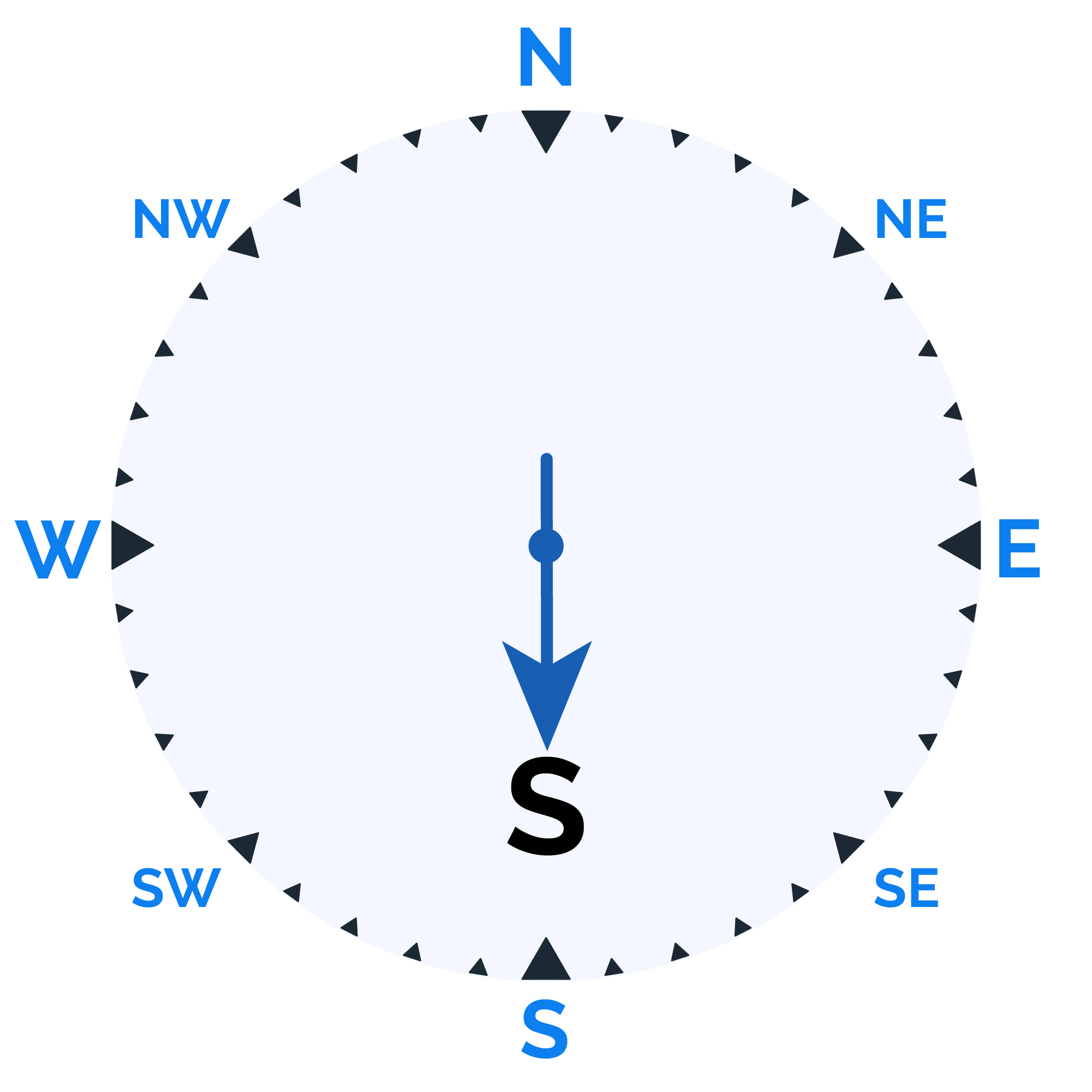
Today's weather will feature a mild morning with temperatures ranging from 14.0°C to 20.0°C, accompanied by moderately humid conditions at 62%-71%, and minimal cloud cover of just 2%. The wind speed is relatively brisk at 14.7 km/h, making for a partly cloudy start to the day. As evening approaches, expect temperatures to hover around the mid-to-upper teens (19.0°C), with slightly more humidity and an increase in clouds, but no rainfall anticipated as the wind slows down to 11.5 km/h under cloudy skies. Cooking a delicious meal can be made even better by paying attention to the temperature of your ingredients. Properly following these steps will ensure your dish turns out perfectly: 1. **Preparation**: Before cooking, make sure all your ingredients are at room temperature if required in a recipe or adjust them accordingly based on the desired outcome. For example, sliced fruits should not be cold to avoid affecting the texture of baked goods like cakes and breads. 2. **Follow Recipes**: Always follow specific cooking instructions provided by trusted recipes. These guidelines are designed to account for ideal temperatures needed to achieve certain culinary results. 3. **Use a Thermometer**: For critical dishes, such as candy-making or baking breads and pastries, use a food thermometer to accurately measure the temperature of your ingredients and final product. This will help you avoid undercooked or overcooked results. 4. **Understand Cooking Techniques**: Different cooking techniques require different temperatures. For example, slow-cooking methods like braising benefit from lower temperatures (around 180°F to 200°F), while roasting meats often requires higher heat (around 450°F). 5. **Adapt Temperature for Your Oven**: Preheat your oven according to the recipe, but if you have an inaccurate oven thermometer or want more precise control over cooking temperature, consider using a convection oven with a built-in thermostat. 6. **Know When to Adjust**: If you're adapting a recipe for your needs (e.g., substituting ingredients), be aware of how these changes may affect cooking temperature and time, adjust accordingly. For example, using margarine instead of butter can slightly alter the baking temperature due to different melting points. 7. **Consider Altitude**: Be mindful of altitude when preparing meals as it affects boiling point and oven temperatures; for high-altitude cooking, adjustments in ingredient proportions and cooking times may be necessary. By following these steps and paying close attention to temperature control throughout the cooking process, you will achieve better results with your culinary endeavors.
 Temp (Min/Max)
CLOUDY Humidity
53%
 Dew Point
12°C
Highly Humid
 Wind speed
18 km/h
Wind Speed