°C
Current temperature
5:30 AM, Jan 01, 1970Hourly
7 Days
15 Days

Weather buddy
Over the next 15 days, temperatures will gradually increase with the average temperature starting to rise noticeably after day 9. The weather is expected to be cloudy throughout this period, except for a brief light rain on day 19. There are no heat wave periods expected in this forecast, with daily maximum temperatures staying well below both 40°C and 45°C.




Rainfall probability

Wind speed
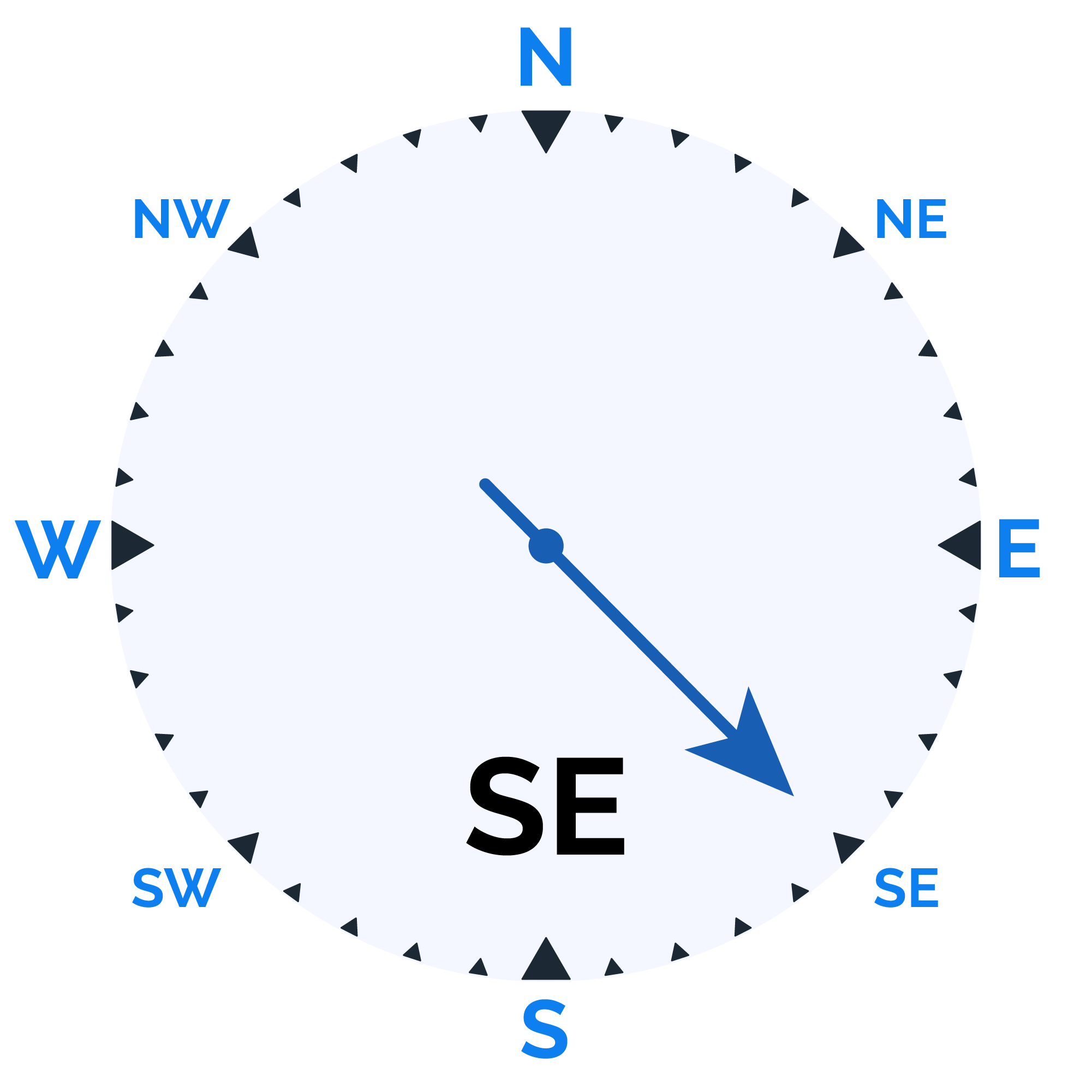
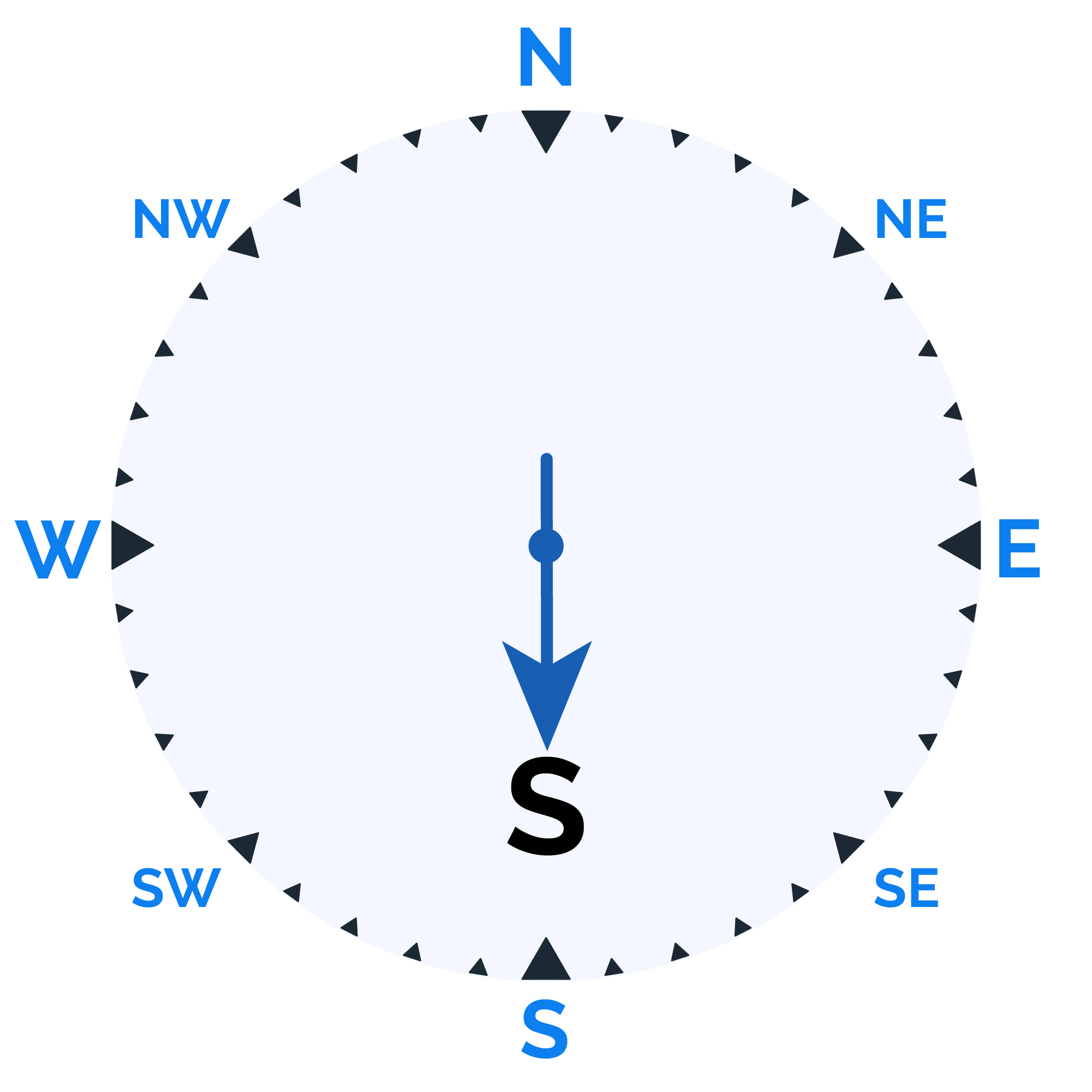
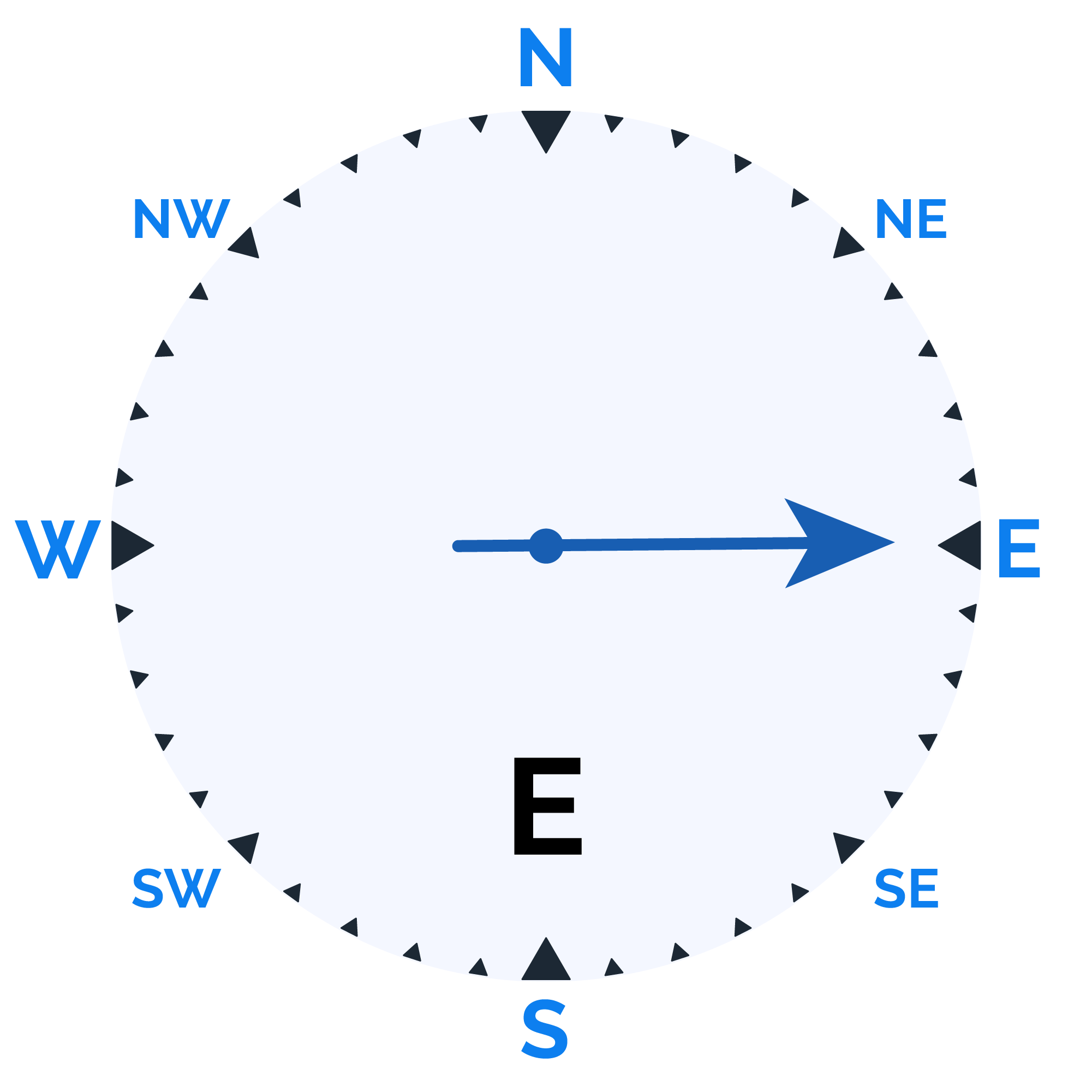

Humidity

Sunrise/Sunset


Moonrise/Moonset




Weather buddy
Today's weather will exhibit a predominantly cloudy condition throughout the day. Mornings will see temperatures ranging from 26°C to 31°C, with humidity levels between 73% and 88%. There is minimal chance for rain early in the day at only 1mm, accompanied by a moderate wind of approximately 12 km/h. As evening approaches, temperatures will slightly decrease, ranging from 25°C to 28°C with higher humidity levels between 89% and 98%. Rainfall is expected to be noticeable at around 10mm, with the wind speed increasing marginally to about 12.5 km/h. Cooking a delicious meal can be both an enjoyable and rewarding experience, but it's essential to understand how different cooking methods affect nutrient retention in food. The impact varies depending on the type of food and its initial nutritional composition, as well as the specific cooking technique employed. For instance, boiling vegetables can lead to a significant loss of water-soluble vitamins such as Vitamin C and B-vitamins due to leaching into the cooking water. However, some minerals like potassium are better retained in this method. Steaming tends to preserve more nutrients compared to boiling since the food isn't submerged in water; yet, certain vitamins still diminish slightly during steaming. Stir-frying is a high-heat cooking technique that can cause some loss of heat-sensitive nutrients like Vitamin C but also helps retain most of the fat-soluble vitamins (A, D, E, and K) as well as minerals due to quick cooking time. Sautéing has a similar effect; however, it's typically done with less water compared to boiling or steaming, leading to better retention of most nutrients but still some losses for the heat-sensitive vitamins. Roasting and baking involve dry heat cooking methods that can cause minimal loss of water-soluble vitamins but might help retain certain antioxidants like phenolic compounds in vegetables due to browning reactions at high temperatures. Grilling may result in nutrient losses, especially for foods exposed directly to the flame or grill grates; however, it can also increase levels of beneficial compounds such as antioxidants from charring. Lastly, raw consumption is often associated with maximum nutrient retention since no heat-induced losses occur. However, this method isn't always practical or safe for all types of foods, and certain cooking methods can improve the bioavailability of some nutrients (e.g., lycopene in tomatoes). In summary, while cooking methods do impact nutrient retention, they also contribute to making many essential vitamins more bioavailable for our bodies to absorb and utilize effectively. It's beneficial to incorporate a variety of cooking techniques into your diet to optimize both taste and nutritional value.
 Temp (Min/Max)
CLOUDY Humidity
84%
 Dew Point
26°C
Highly Humid
 Wind speed
11 km/h
Wind Speed