°C
Current temperature
5:30 AM, Jan 01, 1970Hourly
7 Days
15 Days

Weather buddy
Over the next two days, temperatures will rise noticeably. A heat wave period is expected from May 24th to June 1st with daily highs reaching up to 46°C. The severe heat wave period starts on May 24th and lasts until May 29th, where temperatures can climb even higher, staying above 45°C. Cloud coverage will be mostly low initially but may increase towards the latter part of the forecast with a significant rainfall total of 18mm by the end of June 3rd. Winds remain moderately strong throughout the period. Please dress appropriately and stay hydrated during this time!



Rainfall probability

Wind speed
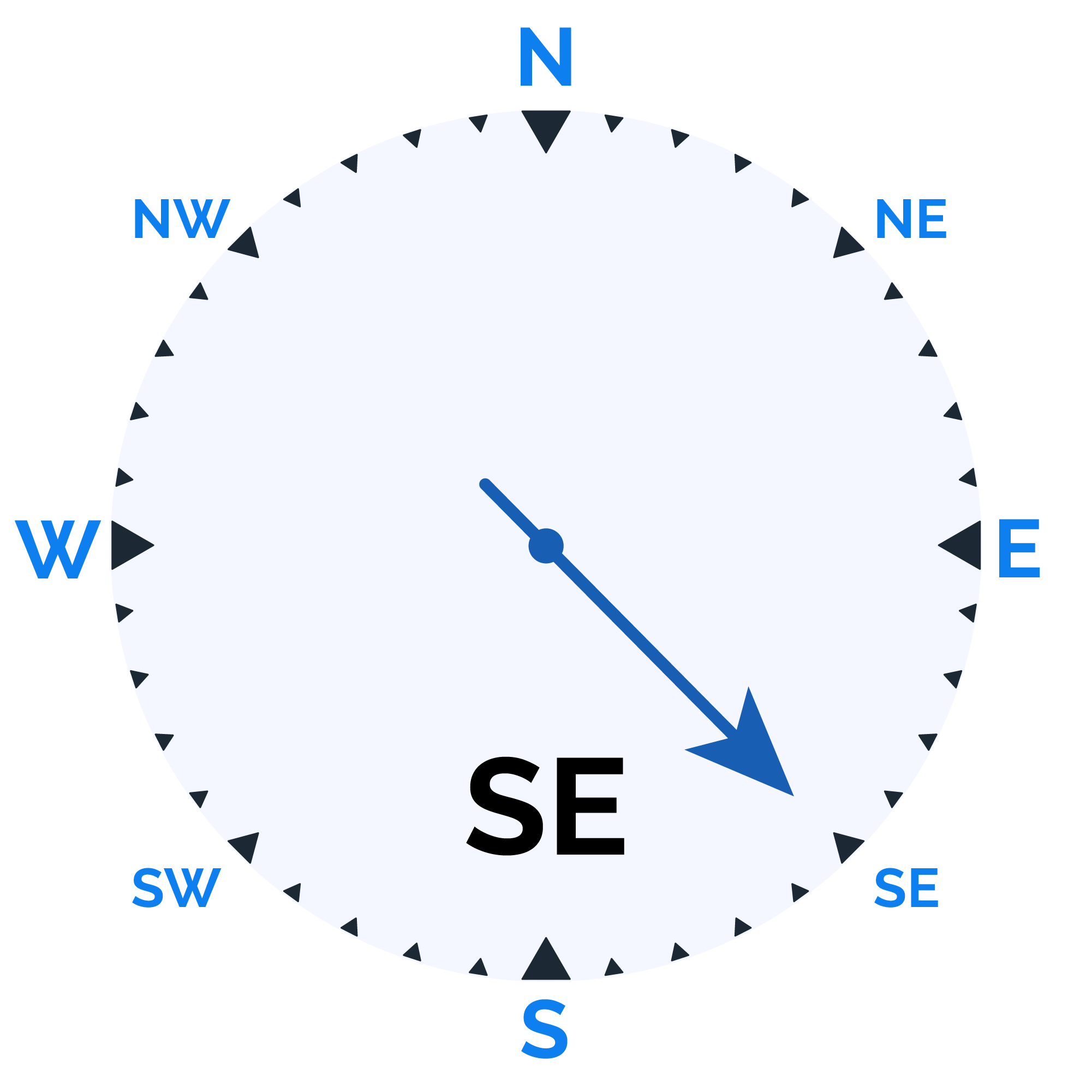
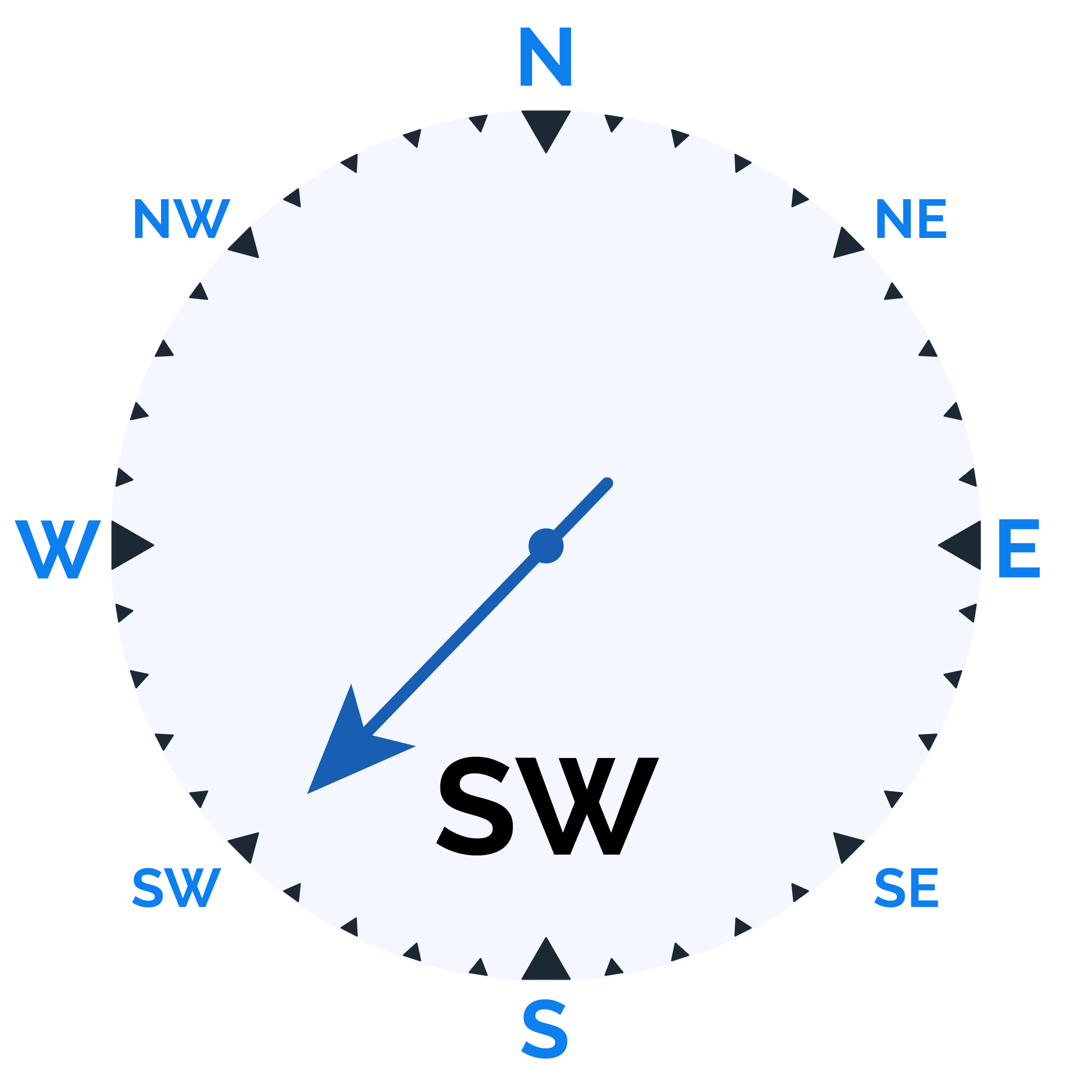
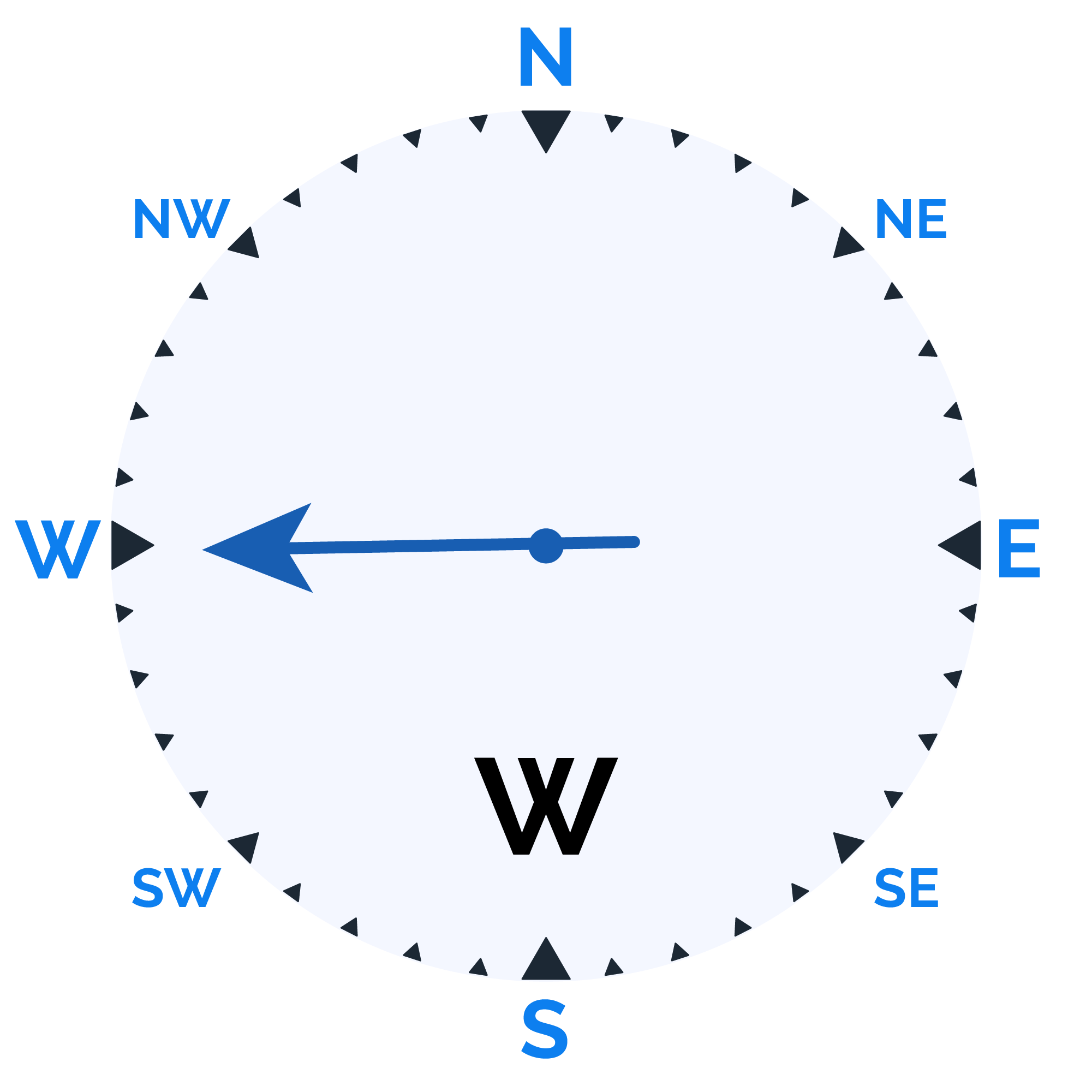

Humidity

Sunrise/Sunset


Moonrise/Moonset





Weather buddy
Today's weather will start off hot in the morning, with temperatures ranging from 31.0°C to 44.0°C and low humidity of 27%-51%. Expect clear skies as there is no chance of rain or cloud cover at this time. The wind speed will be moderately strong at around 32.0 km/h, maintaining the hot conditions. As evening approaches, temperatures are expected to slightly increase with a range of 44.0°C to 46.0°C and humidity levels dropping further to between 27%-28%. There will be minimal cloud cover at just 2%, no precipitation forecasted, and the wind speed will decrease to approximately 21.3 km/h, creating a partly cloudy atmosphere. True or False: The expression (∀x)(P(x) → Q(x)) is logically equivalent to (∃x)P(x)∧Q(x). Justify your answer with an explanation using the concepts of logical quantifiers and implications. - Tutor: False. The expressions are not logically equivalent. To justify this, let's analyze both expressions: 1. (∀x)(P(x) → Q(x)): This expression states that for every element x in the domain, if P(x) is true, then Q(x) must also be true. It does not imply that there exists an x such that both P(x) and Q(x) are true simultaneously; it only makes a claim about what happens when P(x) holds. 2. (∃x)(P(x) ∧ Q(x)): This expression states that there exists at least one element x in the domain where both P(x) and Q(x) are true simultaneously. It does not make any claims regarding other elements or what happens when P(x) is false for a particular x. To further illustrate this difference, consider an example: let's say our domain consists of integers {1, 2}. Suppose the predicate P(x): "x > 0" (x is positive), and Q(x): "x = 2". Then, according to (∀x)(P(x) → Q(x)), for every element in our domain, if it's positive then it must be equal to 2, which isn't true. However, there exists an x (in this case, x=2), such that both P(x) and Q(x) are true simultaneously. This example shows how the two expressions differ in meaning and logical equivalence is not maintained between them. So, it's crucial to understand that these two expressions capture different relationships between predicates within their respective domains when interpreting their implications using logical quantifiers and implications.
 Temp (Min/Max)
CLOUDY Humidity
35%
 Dew Point
28°C
Highly Humid
 Wind speed
28 km/h
Wind Speed