°C
Current temperature
5:30 AM, Jan 01, 1970Hourly
7 Days
15 Days

Weather buddy
During the period from January 6th to January 16th, expect mostly sunny days with temperatures ranging from a cool 11°C to a warm 29°C. Humidity levels will vary significantly, reaching as low as 31% and climbing up to a very moist 99%. Despite the varying humidity, you can enjoy clear skies most of the time with minimal cloud cover around 0.2%, accompanied by no expected rainfall. Winds will be gentle, blowing at an average speed of about 11 km/h throughout this period.


Rainfall probability

Wind speed
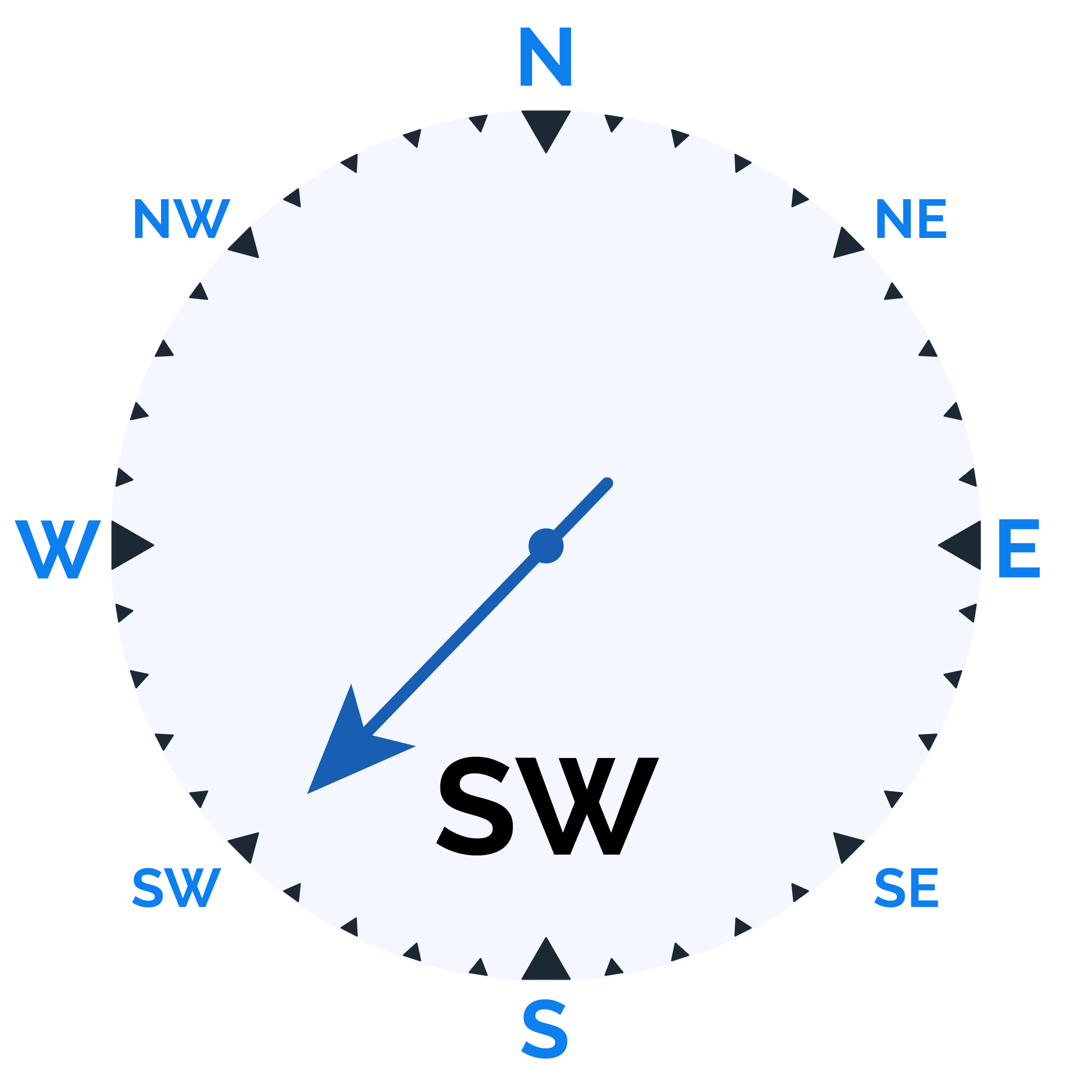
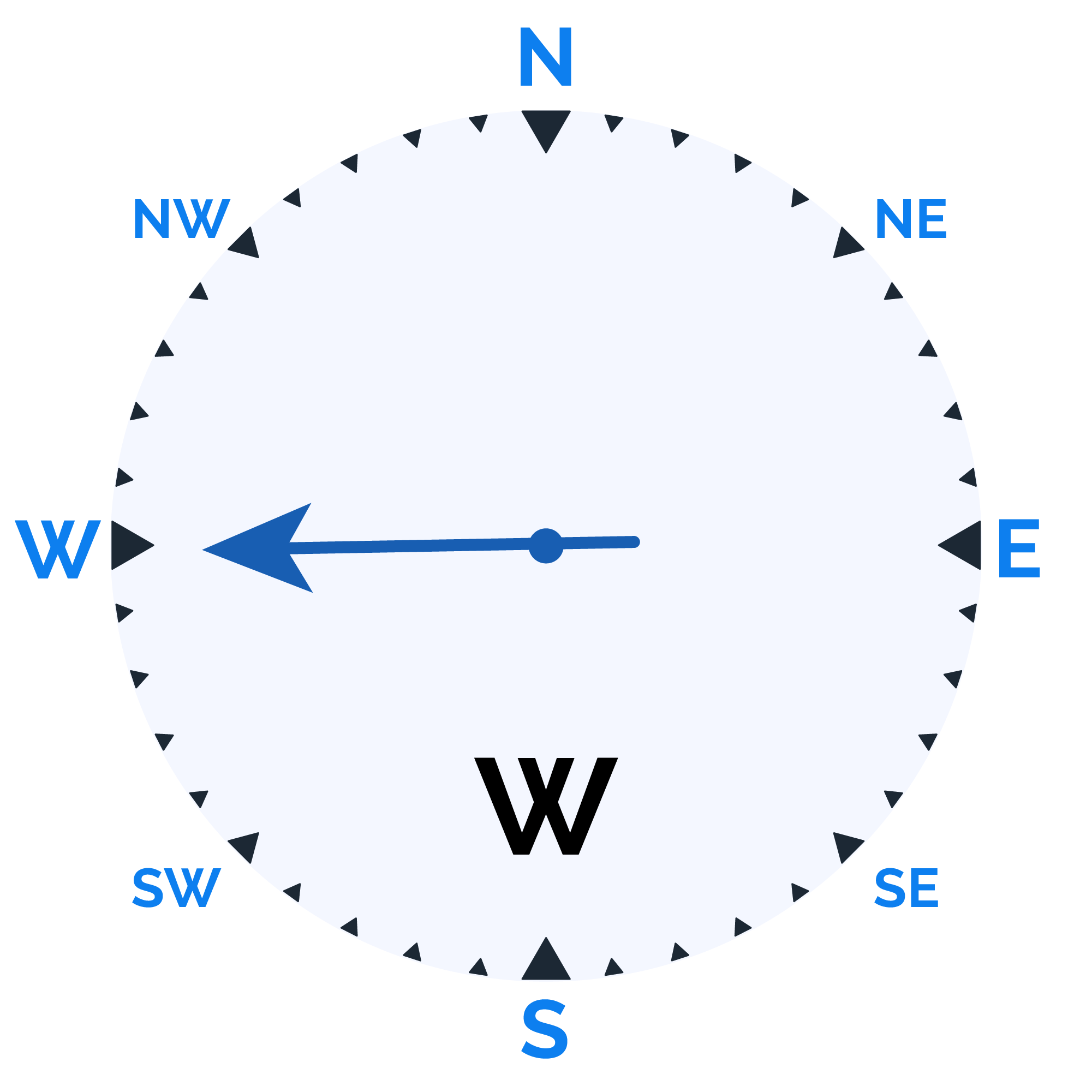
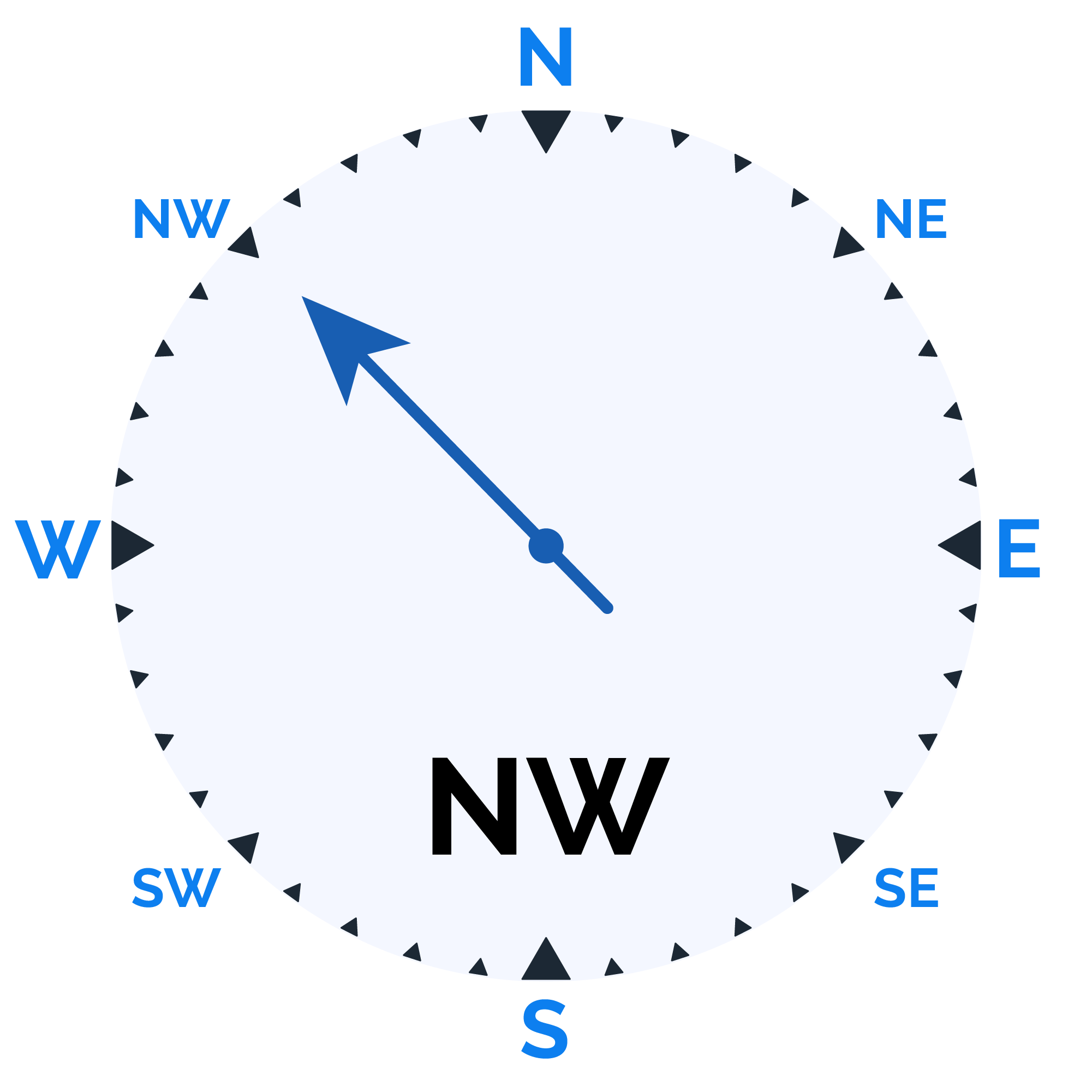
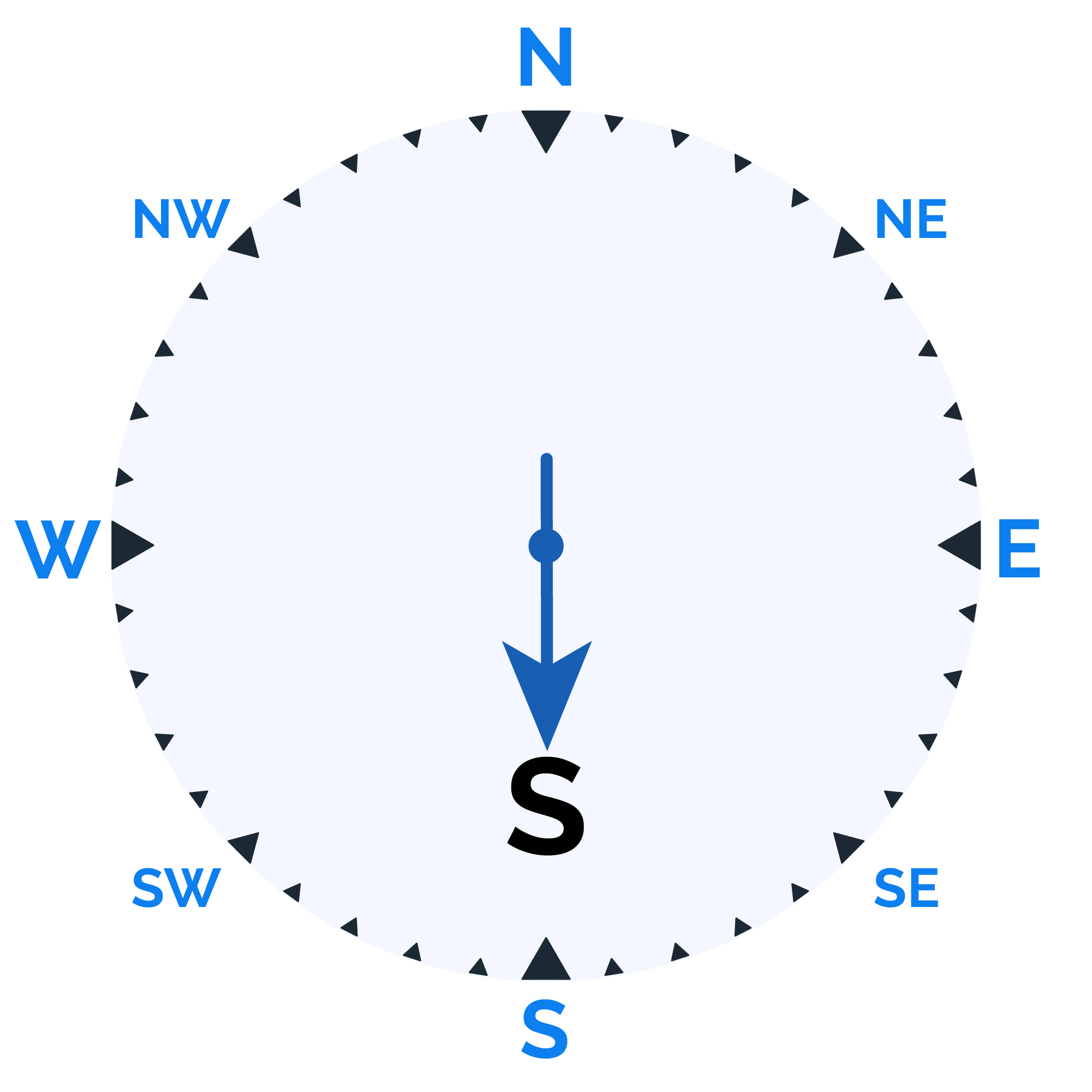

Humidity

Sunrise/Sunset


Moonrise/Moonset

Weather buddy
The day will begin with clear skies and mild temperatures ranging between 11°C to 26°C. Humidity levels will vary from 32% to 60%. Winds are moderate at around 10 km/h as the sun shines brightly throughout the morning hours. As evening approaches, expect a slight increase in temperature with values between 22°C and 27°C, accompanied by lower humidity levels of approximately 31% to 40%. The skies will remain clear, wind speeds will pick up slightly to about 16 km/h, all under the sunny conditions. Cooking a meal requires precise temperatures and timing. If you have set your oven's temperature too high or left it on for an extended period without adjustment, what are some potential consequences for the food being cooked? <|assistant|> Setting the oven temperature higher than recommended can lead to several issues that affect the quality of the meal: 1. Overcooking: Excessive heat can cause certain dishes to become overcooked before they are supposed to be done, resulting in dry, tough, or burnt food. For example, a cake may develop cracks on its surface and lose moisture, while meats could turn out charred instead of juicy. 2. Incomplete cooking: Some recipes require specific temperatures for different stages of the cooking process (e.g., searing vs roasting). Setting the temperature too high can result in uneven cooking or undercooking certain components, potentially leading to food safety concerns. 3. Loss of flavor and texture: Higher oven temperatures may cause a rapid evaporation of moisture from ingredients, altering their natural flavors and textures. For instance, meats can lose their tenderness and become chewy or tough instead of succulent. 4. Nutrient degradation: Extreme heat may cause the breakdown of certain nutrients in foods, such as vitamins and minerals. This is particularly true for sensitive ingredients like leafy greens and vegetables that are rich in water-soluble vitamins (e.g., Vitamin C). 5. Cooking equipment issues: Frequently running your oven at higher temperatures than the manufacturer's recommendation may cause stress on its heating elements, potentially leading to premature wear or even malfunction over time. 6. Energy waste: Operating an oven at a temperature much higher than necessary can lead to increased energy consumption and costs for you as well as contribute to unnecessary environmental impact through excessive CO2 emissions from burning more electricity (if using an electric range) or natural gas (if using a conventional oven). To avoid these issues, it is essential to follow the recipe's temperature recommendations carefully. If adjustments are needed due to specific cooking requirements, consider lowering the overall temperature and extending the cooking time instead of raising it abruptly. This will help ensure that your meal turns out as intended - tasty and properly prepared.
 Temp (Min/Max)
Clear Sky Humidity
84%
 Dew Point
7°C
Highly Humid
 Wind speed
12 km/h
Wind Speed