Dense Fog Cripples Delhi: Transportation Gets Severely Hit


Key Takeaways
- Dense to very dense fog severely disrupted road, rail and air travel across Delhi/NCR.
- Flight operations were limited under Cat-III procedures, causing delays and cancellations.
- High humidity, light winds and low temperatures remain favourable for fog formation.
- Poor visibility conditions are expected to persist for the next 72 hours.
Advertisement
Very dense fog hit Delhi/NCR quite early in the morning and practically halted surface and air movement. Thick fog in the late evening and early night yesterday literally turned into blinding conditions from the wee hours of the morning and extended till late morning hours. Dense to very dense fog engulfed the entire region, severely disrupting rail, road and air operations. Horizontal visibility dropped sharply, impacting arrivals and departures of flights and leaving passengers stranded. Toxic smog blanketed the city, with the air quality index slipping into the severe category for the second consecutive day. Low-visibility Cat-III procedures were adopted and only limited operations could go through. Slow air operations triggered a cascading effect, resulting in cancellations and undue delays of flights.
Advertisement
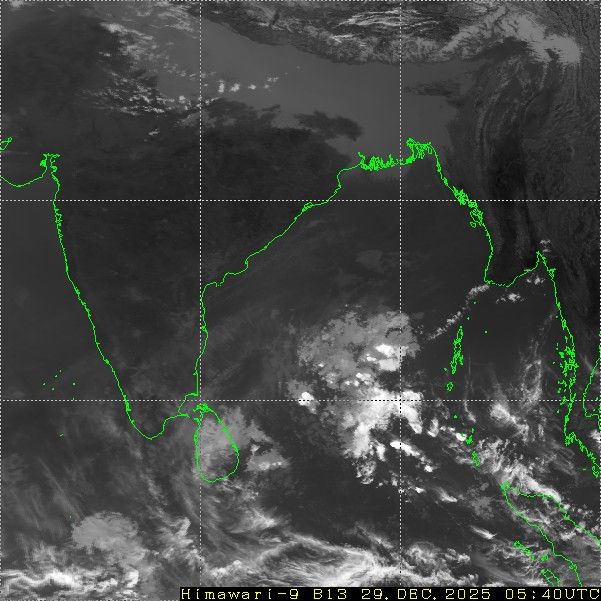
As expected, the trio of winds, humidity and surface temperature have joined together, working in tandem to inflict poor visibility conditions across the NCR and the capital city. Horizontal visibility improved to about 500 metres at Palam airport by 1030 hours, and the runway visual range lifted to above 1000 metres for the runway in use. This is expected to facilitate speedier arrivals and departures and ease the consequential congestion.
A western disturbance is moving across the northern mountains. Clouding has trickled to cover the plains of North India in patches. Thick fog has resulted in ‘sky obscured’ conditions, making the cloud layer indiscernible. The passage of the western disturbance will keep lower-level winds light over Delhi. Temperatures are likely to hover around 8°C during the early morning hours. Relative humidity levels will remain quite high, exceeding 90% during the late night and early morning hours. All these conditions are conducive to dense fog formation.
These conditions are likely to persist for the next 72 hours, extending beyond New Year’s Eve. Poor visibility will clamp down more vigorously during the late night and early morning hours. All kinds of travel will remain at risk, and surface movement for commuters will also be adversely impacted. Exercise extreme caution.