After Prolonged Dry Weather, Rain Returns to Pockets of Rajasthan and Haryana


Key Takeaways:
- Isolated light rain briefly interrupted the prolonged dry spell over North Rajasthan and parts of Haryana.
- The rainfall was triggered by the interaction of a Western Disturbance and an induced cyclonic circulation.
- Dry and stable weather is expected to persist across Northwest India until around February 17.
- Another system may bring scattered rain and thunderstorms between February 17 and 19.
Most parts of Northwest India, including Haryana and Rajasthan, have remained completely dry since the beginning of February. However, a pleasant surprise awaited residents of north Haryana and parts of Rajasthan as scattered light rain developed during the evening of February 10.
Rain began over several districts of North Rajasthan around 8:30 p.m., with places like Ganganagar, Hanumangarh, Churu, and Pilani recording light, scattered showers that continued until around midnight. Hisar in Haryana also witnessed one or two decent spells of rainfall, breaking the monotony of the long dry phase.
In contrast, north and east Haryana, along with western and southern districts of Rajasthan, largely remained dry, highlighting the localized nature of this weather activity.
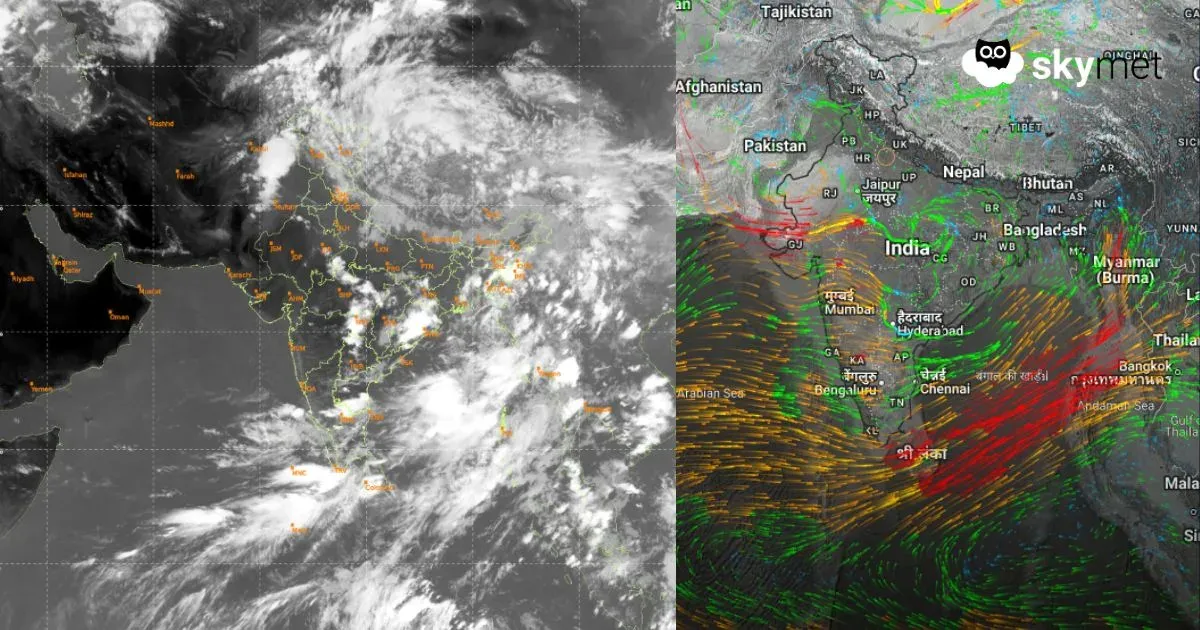
The sudden rainfall can be attributed to the combined influence of a Western Disturbance moving across the Western Himalayan region and an induced cyclonic circulation positioned over North Rajasthan and adjoining parts of Pakistan. This interaction provided just enough moisture and instability to trigger isolated precipitation.
At present, the induced cyclonic circulation has weakened, and the Western Disturbance is moving eastward, leading to a clearance in weather conditions. No significant weather activity is expected until February 17, and dry conditions will dominate the region.
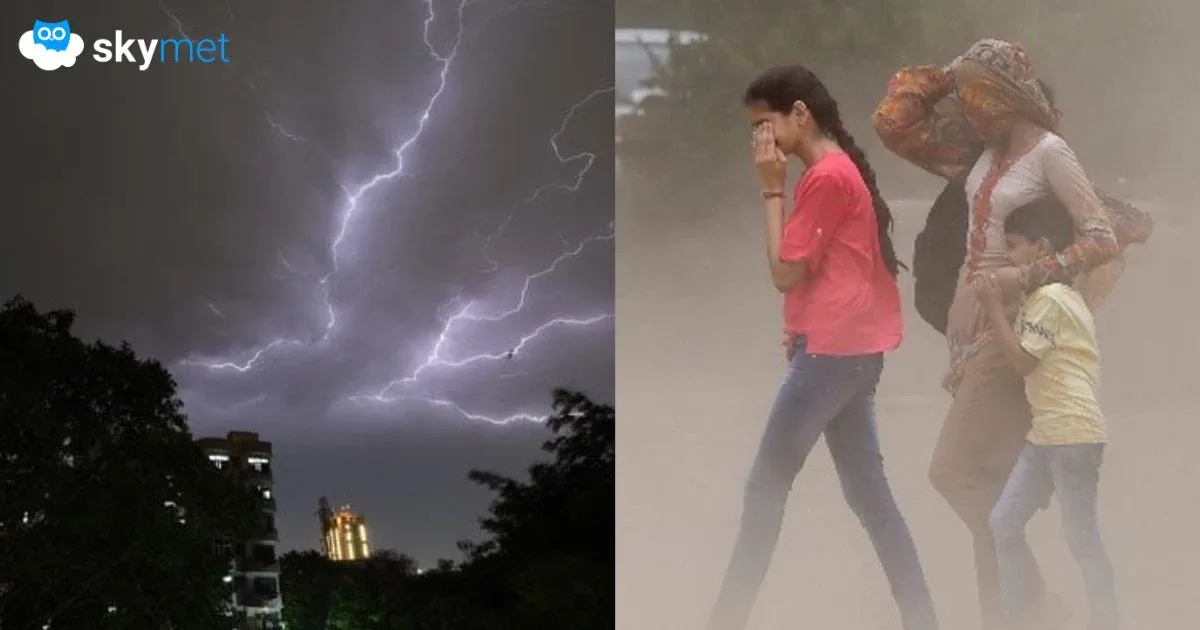
However, between February 17 and 19, there are indications of scattered rain and thunderstorm activity over parts of Rajasthan, Haryana, and Delhi due to another approaching system.
Until then, northwesterly dry winds will prevail across these states, likely causing a marginal dip in maximum temperatures and keeping daytime conditions slightly cooler but overall dry and stable.