Low Visibility, High Pollution Grip Delhi NCR Amid Dense Fog

Key Takeaways
- Delhi’s AQI stayed in the very poor category despite slight improvement.
- Dense fog and calm winds trapped pollutants near the surface.
- Flight and train operations were disrupted due to low visibility.
- Foggy conditions are likely to return around December 21–22.
Advertisement
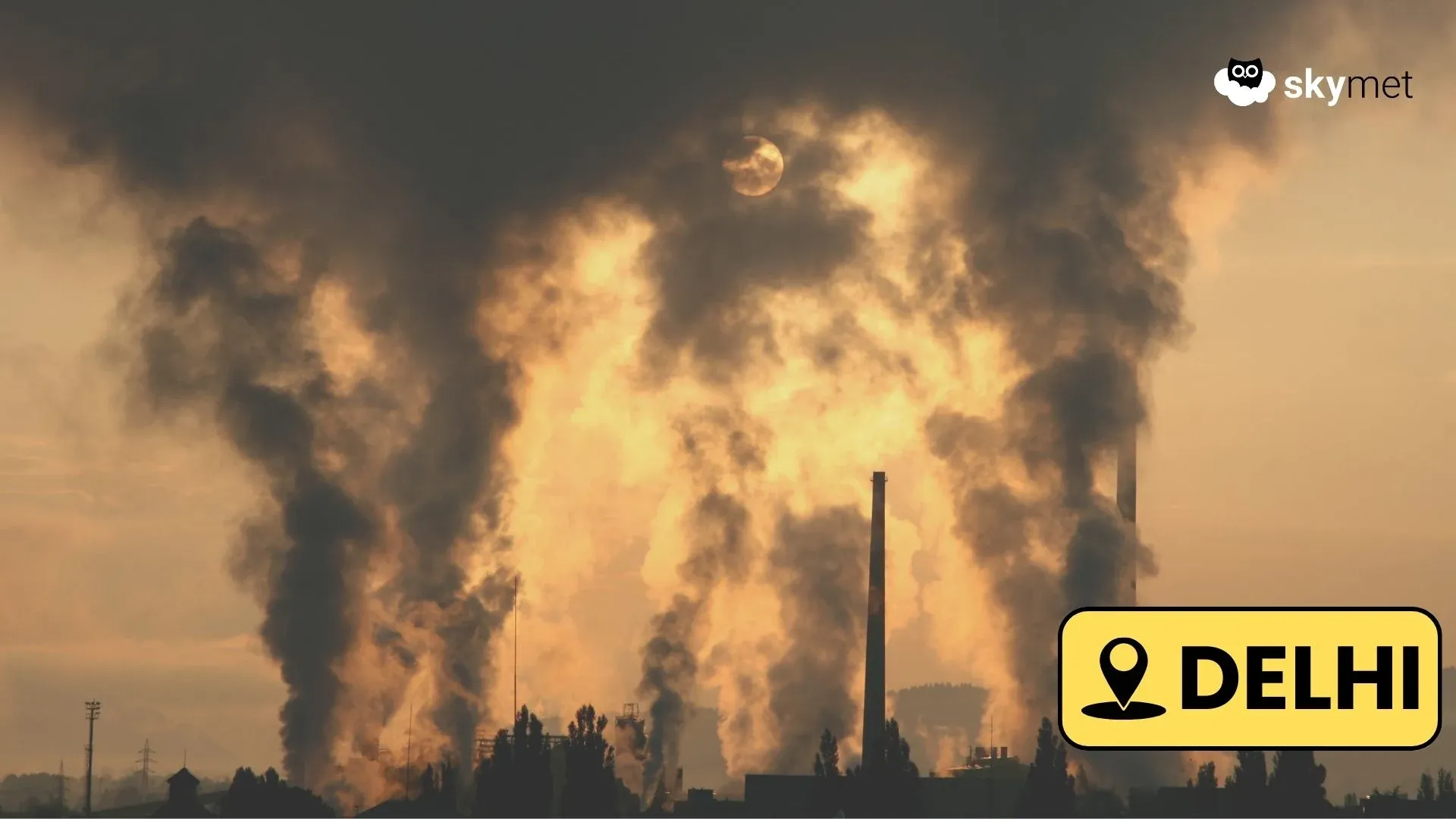
Delhi woke up to a thick blanket of smog on December 18, as dense fog combined with high pollution levels severely deteriorated air quality across the region. The Air Quality Index (AQI) remained in the very poor category at 358 during the early morning hours. Although a marginal improvement was observed compared to the evening of December 17, when the AQI was around 450, air quality continues to pose serious health concerns for residents.
Advertisement
Prevailing weather conditions have been highly conducive to fog formation. Reduced wind speeds, clear night skies, and high humidity levels allowed pollutants to accumulate near the surface, resulting in widespread dense fog and smog. Visibility dropped sharply during the morning hours, disrupting daily life and transportation across the National Capital Region.
Flight operations at Indira Gandhi International Airport were affected due to poor visibility. Around 08:30 hours, visibility reduced to nearly 150 metres, forcing aircraft to operate under CAT III conditions. As the day progressed, visibility gradually improved to about 500 metres by 11:00 hours, allowing flight operations to resume normally.
Dense fog was not limited to Delhi alone. A continuous fog layer extended from Punjab to Bihar, covering Haryana, Delhi, and large parts of Uttar Pradesh. This led to delays in several long-distance trains, while highways reported extremely poor visibility. The hazardous conditions significantly increased the risk of road accidents, prompting advisories for cautious driving.
Visibility is expected to improve gradually during the daytime over Delhi and NCR as surface wind speeds are likely to increase slightly, aiding the dispersion of fog and pollutants. However, this relief may be short-lived. Another Western Disturbance is likely to approach the Western Himalayan region around December 20. With its arrival, wind speeds over the northern plains may weaken once again.
As a result, there is a renewed possibility of dense fog over large parts of North India, including Delhi and NCR, on December 21 and 22. Fog formation primarily depends on three key weather parameters—light winds, low temperatures, and high humidity. With all three conditions expected to persist intermittently, foggy mornings are likely to continue over the region in the coming days.